

Imagine cycling from Boston to New York without riding until your legs gave out. Riders in this famous event follow a simple mantra: “I’m Possible.” They stop for food and water long before feeling empty, which keeps them moving forward without hitting a wall.
Your brain functions like those cyclists. If you read for hours without stopping, you will eventually crash. Finding study breaks that work is the secret to maintaining high energy throughout your day.
To master your schedule, plan restorative moments and return to your desk sharp and ready to learn. For a complete system to boost your memory and routines, check out my free book, How to Become the Smartest Student in the Classroom. It is packed with strategies that actually stick, and you can grab your copy here: https://www.studyingmachine.com/free-books/.
Key Takeaways
- Treat your brain like an athlete to prevent mental burnout.
- Rest before you feel depleted to maintain peak performance.
- Choose restorative activities over mindless scrolling.
- Strategic pauses help you retain information much longer.
- Consistency in your routine builds long-term academic success.
Why Study Breaks That Work Improve Learning
Think of your brain as a high-performance engine that needs cooling time to run smoothly. When you study for hours without pausing, you do not get more done; you drain your mental battery until exhaustion.
Using effective study breaks lets your mind reset and recharge. This simple habit keeps your focus sharp and helps you remember information better than a long, nonstop session.
How Pauses Restore Attention and Mental Energy
Your brain cannot maintain intense focus for hours. During long stretches, your attention drifts, making new concepts harder to process.
A short break gives your brain the breathing room it needs to store what you just learned. Stepping away lets your mental resources recover, so your next study block feels much easier.
Why Studying Longer Without Stopping Can Backfire
Imagine a group of cyclists in a long-distance bikeathon. If they rode hundreds of miles without stopping, fatigue would eventually make them crash.
The smartest riders stop every 10 to 15 miles to hydrate and rest before reaching that wall. You should use effective study breaks the same way. Pushing through may feel productive, but it often brings diminishing returns; you may reread the same page, understanding nothing.
The Difference Between Recovery and Procrastination
You must distinguish a true recovery pause from simple procrastination. An effective study break is planned and intentional, with a clear start and end time.
Procrastination is an aimless escape from work, with no clear plan to return. To master your study habits, check out my free book, How to Become the Smartest Student in the Classroom. It offers a full system of techniques that actually stick.
How Long Should a Study Break Be?
Let’s talk about timing pauses so you feel refreshed instead of distracted. No single magical schedule works for every student, so finding your rhythm matters. These study session tips can help you discover what works best for your brain.
Matching Break Length to Your Study Session
Your break should generally match your work’s intensity and duration. A quick sprint usually needs a short pause to reset your focus. Longer, complex tasks need more breathing room to prevent mental fatigue.
| Study Duration | Break Length | Best For |
|---|---|---|
| 25 Minutes | 5 Minutes | Quick tasks or warm-ups |
| 50 Minutes | 10 Minutes | Standard reading or writing |
| 90 Minutes | 30 Minutes | Deep work or complex projects |
When to Use a Five-Minute, Fifteen-Minute, or Longer Break
Take a five-minute break when you are focused and need a quick stretch or water. These short pauses protect your momentum without taking you far from your materials. If your concentration slips, take a fifteen-minute break for a fuller reset, such as grabbing a snack or stepping outside.
For massive, multi-hour study blocks, take a thirty- to sixty-minute break. This gives your brain time to consolidate information. For deeper study session tips, read my free book How to Become the Smartest Student in the Classroom for a full routine system. You can grab your free copy here.
Choosing a Rhythm That Fits Your Focus and Energy
Your energy levels change throughout the day, so keep your schedule flexible. When you feel sharp, work longer; when sluggish, shorten intervals and take more restorative breaks.
Adjusting Your Schedule for Difficult Subjects
When a subject feels like a mountain, your brain uses energy much faster. You may need shorter work intervals to control frustration. Frequent, shorter sessions with regular breaks can help you retain more information than one long, exhausting slog.
Recognizing When a Planned Break Is Too Short
Sometimes, you return to your desk, but your mind still feels foggy. This clear sign means your planned break was too short to recharge fully. Adjust your study session tips on the fly; take five extra minutes to feel ready.
Plan Your Break Before You Start Studying
Treat your study session like a long road trip with marked stops. With planned study breaks, you avoid hard choices when your brain feels tired from heavy work.
Set a Clear Stopping Point for Each Session
Know exactly when you will stop before you begin working. Set a clear finish line so your mind can focus without wondering when relief will come. This clarity helps you keep a steady pace throughout your study schedule.
Choose One or Two Healthy Break Activities in Advance
Choose your break activity before you open your textbook. If you wait until you feel exhausted, you may default to mindless scrolling. Pick something simple, like stretching or getting water, so you feel refreshed.
“Rest is not idleness, and to lie sometimes on the grass under trees on a summer’s day, listening to the murmur of the water, or watching the clouds float across the sky, is by no means a waste of time.”
Use Timers to Prevent Breaks From Expanding
A reliable break timer helps you stay on track. Without one, a quick five-minute stretch can become a forty-five-minute distraction. Set your alarm, put your phone down, and return to your desk when it rings.
Building a Simple Study-and-Break Schedule
Test different ratios to find what keeps your energy high. Short bursts and longer, deep-work sessions can both work, but consistency supports long-term success.
| Study Duration | Break Length | Best For |
|---|---|---|
| 30 Minutes | 5 Minutes | Quick tasks |
| 60 Minutes | 10 Minutes | Standard reading |
| 90 Minutes | 30 Minutes | Deep focus work |
Keeping Break Materials Away From Your Main Workspace
Your desk should signal that it is time to work. Keep snacks, your phone, or hobby items in another room or out of sight. This physical boundary protects your focus and makes it easier to return to your study schedule.
If you want to explore these methods, my free book How to Become the Smartest Student in the Classroom gives you a full system. It covers memory techniques, study routines, and strategies that actually stick. It costs nothing, with no catch. Grab your free copy here → https://www.studyingmachine.com/free-books/.
Healthy Break Activities That Restore Your Body
Your brain is not the only part that needs a break; your body is craving movement, too. Long periods of sitting tighten muscles and lower energy. Adding healthy break activities to your routine can refresh you before the next chapter.
Take a Short Walk to Increase Circulation
You do not need to run a marathon to improve blood flow. Walk around your room or step into the hallway to boost circulation and clear your head. Even a quick stroll can greatly improve how you feel.
Stretch Your Neck, Shoulders, Back, and Wrists
Sitting hunched over a textbook or laptop can cause stiffness. Roll your shoulders, gently tilt your neck, and stretch your wrists to release tension. These healthy break activities help prevent the mid-afternoon slump.
Drink Water and Choose a Satisfying Snack
Dehydration can quietly harm your focus. Keep a water bottle nearby and sip during breaks to stay alert. Pair it with a light, healthy snack, such as nuts or fruit, to keep energy steady without the dreaded sugar crash.
Rest Your Eyes After Extended Screen Use
Staring at a screen for hours strains your eyes and causes fatigue. Try the 20-20-20 rule: every 20 minutes, look at something 20 feet away for 20 seconds. This simple habit gives your eyes the much-needed rest they deserve.
Using Light Movement Without Turning It Into a Workout
The goal of these healthy break activities is to wake up your body, not leave you sweaty or exhausted. You want to feel energized, not ready for a nap.
If you find this approach helpful, my free book How to Become the Smartest Student in the Classroom gives you a full system of routines that actually stick. You can grab your free copy here.
Mindful Breaks for Stress Relief and Mental Reset
When your brain feels like a browser with too many tabs open, try a different kind of break. Physical movement can feel like another demand on limited energy. Use mindful breaks to calm your mind and reset your focus.
Practice Slow Breathing for a Few Minutes
Deep, rhythmic breathing quickly signals safety to your nervous system. Try inhaling for four seconds, holding for four, and exhaling for six. This pattern helps lower your heart rate and clears mental fog during intense study.
Try a Brief Body Scan or Mindfulness Exercise
Mindfulness is not about emptying your brain; it means noticing feelings without judgment. Scan your body from your toes to your head. Notice tension in your jaw or shoulders, then consciously let it go.
Step Outside for Natural Light and Fresh Air
If you have been in a dim room, stepping outdoors can change your mood. Natural light helps regulate your internal clock and boosts your mood instantly. Even standing outside for a few minutes can provide the mental clarity you need for the next chapter.
Use Quiet Music or Silence to Reduce Stimulation
Sometimes, the best way to recharge is to lower the world’s volume. Play ambient, instrumental music or sit in silence for a few minutes. This reduces sensory overload and helps your brain process what you studied.
When Relaxation Techniques Are More Useful Than Physical Activity
Prioritize these relaxation techniques when you feel emotionally drained or frustrated by difficult material. Physical movement helps circulation, but stillness often supports emotional regulation.
If this article resonated with you, my free book, How to Become the Smartest Student in the Classroom, gives you a full system. It includes memory techniques, study routines, and strategies that actually stick.
It costs nothing, with no catch. Grab your free copy here.
Productive Breaks That Make the Next Session Easier
Why not use a few downtime minutes to clear the path for your future self? We often view rest as doing nothing, but productive breaks can reduce the mental friction of starting again. Small, intentional actions make returning to work feel smooth instead of daunting.

Reset Your Desk and Prepare Needed Materials
Before stepping away, take a moment to tidy your workspace. Clearing stray papers and empty coffee mugs creates a calm environment that invites focus. Open the specific book or document you need next, so it waits ready for you.
Write Down the Next Task Before You Walk Away
To avoid “start-up anxiety,” leave yourself a clear note. Write the exact problem or paragraph you will tackle when you sit down again. This removes the need to choose where to begin, letting you jump straight into deep work.
Handle a Small Practical Chore With a Clear Time Limit
If you feel like moving, choose one quick task, such as folding a blanket or watering a plant. Keep it brief because the goal is to refresh your mind, not begin major cleaning. Productive breaks should not become a way to avoid your actual studies.
Separating Preparation From Unplanned Busywork
It is easy to fall into the trap of “productive procrastination” by reorganizing your pens for twenty minutes. Set a strict timer for small chores, so they stay within your break window. When the timer rings, stop immediately and return to rest or studies.
Creating a Visible Cue to Resume Studying
Think of your desk as a stage set for your next performance. An open notebook with a question already written acts as a powerful visual cue. It tells your brain the session has begun, making it easier to return to your flow.
If this article resonated with you, my free book How to Become the Smartest Student in the Classroom gives you a full system. It includes memory techniques, study routines, and strategies that actually stick. There is no cost or catch. Grab your free copy here → https://www.studyingmachine.com/free-books/.
Digital Distractions to Avoid Between Study Sessions
Have you wondered why a quick social media scroll leaves you more drained? Checking your phone may seem relaxing, but it often keeps your brain highly stimulated. To truly avoid distractions, remember that not all breaks offer real rest.
Why Social Media Can Make a Short Break Feel Unrefreshing
Social media platforms are designed to keep you clicking, liking, and scrolling. During a five-minute break, your brain does not get the rest it needs. Instead, it stays hyper-engaged with new information, making it harder to return to your study materials with a clear head.
Set Boundaries Around Texts, Notifications, and Email
Constant pings from texts or emails create tiny interruptions that break your flow. Keeping your phone beside your notebook invites these interruptions into your workspace. Keep your device in another room or out of arm’s reach to avoid distractions effectively.
Be Careful With Short Videos, Games, and Endless Scrolling
Short-form videos and mobile games often have no natural stopping point. You may plan to watch one clip, but suddenly twenty minutes have passed. This turns a short pause into a time-consuming trap that leaves you feeling guilty and behind schedule.
Using Focus Modes and App Limits During Study Hours
Technology can help when you use it correctly. Most smartphones offer “Focus” or “Do Not Disturb” modes that silence non-essential alerts while you work. Strict app limits can also remind you to put down your phone and return to your goals.
When Entertainment Can Fit Into a Longer Planned Break
Entertainment is not inherently bad, but it belongs in a deliberately planned, longer break. After finishing a major task, you can watch a show or play a game during a thirty-minute window. Choose these activities yourself instead of letting boredom trigger a mindless spiral.
If this article resonated with you, try my free book How to Become the Smartest Student in the Classroom. It offers a full system of memory techniques, study routines, and strategies that actually stick. It costs nothing, with no catch; grab your free copy here → https://www.studyingmachine.com/free-books/.
Break Activities That Seem Relaxing but Drain Your Focus
Ever wonder why a break can leave you more tired than before? Time away from your desk does not always restore you. Some break activities to avoid demand more mental energy than your study session.
Avoid Starting Shows, Games, or Conversations You Cannot Easily End
Starting a new episode of a gripping show or jumping into a competitive online game can trap you. They keep you hooked, making it incredibly difficult to stop when the timer goes off. You may feel frustrated instead of refreshed.
The same risk applies to deep conversations with friends or family. During a heated debate or long story, your brain stays in “active mode.” You lose the chance to let your mind wander and recover.
Limit Heavy Meals, Excessive Caffeine, and Sugary Snacks
What you consume during downtime affects focus for hours, and a heavy, carb-loaded meal can cause a dreaded energy crash. Reading or problem-solving may feel like climbing a mountain afterward. Choose light, hydrating snacks to keep your blood sugar stable.
A cup of coffee may seem like a quick fix, but too much caffeine can make you jittery and anxious. This makes it harder to return to deep work. Choose water or herbal tea to feel ready for the next task.
Do Not Replace Rest With Unstructured Internet Browsing
Mindless scrolling through social media feeds can hurt a productive study session. It is rarely restful because your brain processes a constant stream of unrelated information. Instead, choose screen-free study breaks so your eyes and mind can disconnect.
Notice Which Activities Leave You More Tired Than Before
You are the best judge of your energy levels. Notice how you feel after different breaks. If you feel sluggish or irritable, that activity drains your focus instead of restoring it.
| Activity Type | Impact on Focus | Recommended? |
|---|---|---|
| Mindless Scrolling | High Mental Drain | No |
| Heavy/Sugary Snacks | Energy Crash | No |
| Light Stretching | Mental Clarity | Yes |
| Short Walk | Increased Energy | Yes |
My free book How to Become the Smartest Student in the Classroom gives you a full system with memory techniques, study routines, and strategies that actually stick. It costs nothing and has no catch. Grab your free copy here → https://www.studyingmachine.com/free-books/.
How to Tell Whether a Break Actually Worked
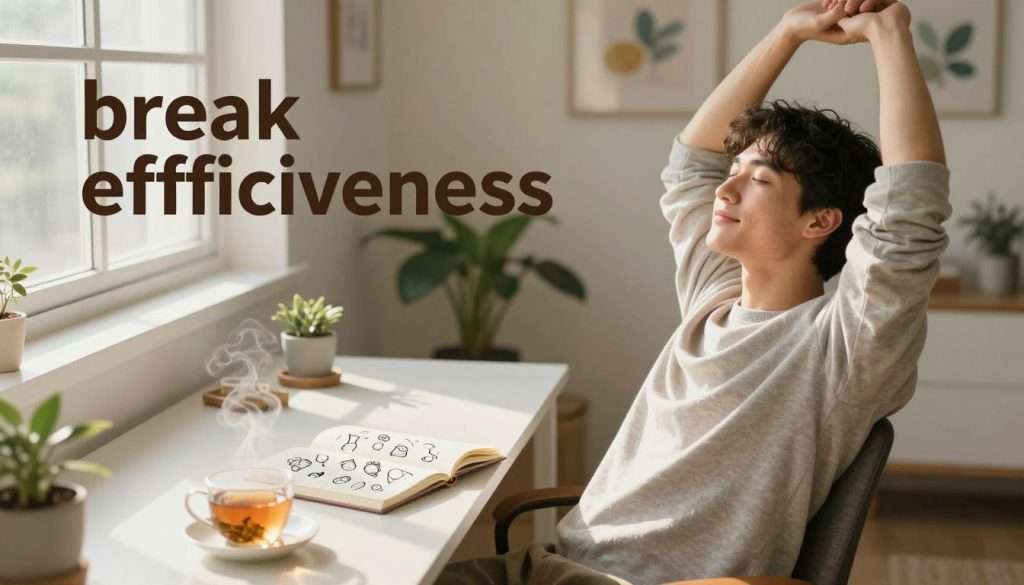
You may take breaks, but do they refresh you or leave you more distracted? Time away from your desk is not always helpful; break effectiveness depends on what you do. Notice how you feel when you sit down again after studying.
Check Your Energy, Mood, and Ability to Concentrate
After your break, take a quick mental inventory. Do you feel a sense of clarity, or does the fog remain? If your mood lifts and your focus sharpens, you likely found a winning strategy.
If you feel irritable or struggle to start your next task, your break may have been too stimulating. True recovery should prepare you for the next challenge, not drain you while switching tasks.
Track Which Activities Help You Return on Time
One major hurdle is the “just five more minutes” trap. If you often overstay your break, your activity may be too engaging or lack a clear ending.
Notice which habits help you return to work smoothly. Stretching or getting a glass of water is easier to stop than scrolling through social media or watching videos.
Adjust Breaks That Leave You Restless or Sluggish
If you feel restless or sluggish after breaks, do not panic. Your entire plan is not broken; you only need to tweak your approach. Small changes, such as replacing a high-energy game with a quiet walk, can make a big difference.
Using a Simple Break Experiment for One Week
To find your ideal rhythm, try a study break experiment for one week. Each day, test one activity—walking, stretching, or silent meditation—and record how you feel afterward. Compare your results to find habits that support your learning goals.
Separating Normal Resistance From Genuine Exhaustion
Feeling some resistance when you return to work is completely normal. Your brain prefers comfort, and difficult tasks are rarely fun. However, genuine exhaustion or lasting mental fatigue signals a need for a longer, more restorative pause.
| Break Activity | Energy Level | Focus Quality | Return Ease |
|---|---|---|---|
| Social Media | Low | Fragmented | Difficult |
| Short Walk | High | Sharp | Easy |
| Stretching | Medium | Steady | Easy |
| Heavy Snack | Low | Sluggish | Difficult |
If this article resonated with you, try my free book How to Become the Smartest Student in the Classroom. It offers a full system with memory techniques, study routines, and strategies that stick. There is no cost or catch; grab your free copy here → https://www.studyingmachine.com/free-books/.
Build an Effective Break Plan for Different Study Situations
Study sessions differ, so breaks should differ too. A personalized break plan for studying lets you match recovery time to each task’s mental demands. This approach keeps your brain sharp and helps you avoid the afternoon slump.
Break Strategies for Reading and Memorization
When reading or memorizing concepts, your brain needs a quiet reset. Try passive recovery instead of high-energy activities. Sit quietly, close your eyes, and review key points in your mind to lock them into memory.
Break Strategies for Problem-Solving and Practice Tests
If you solve math problems, your brain may feel tired from intense logic. During exam study breaks, get your blood flowing. A quick walk or light stretch clears mental fog and prepares you for the next challenge.
Break Strategies for Long Online Classes or Computer Sessions
Staring at a screen for hours can strain your body and focus. During these online study breaks, focus on physical comfort. Stand up, roll your shoulders, and look far away to rest your eye muscles from blue light.
Break Strategies for Studying Late at Night
Studying after dark requires balance. Stay alert without overstimulating your nervous system, which may make sleep difficult later. Use low light, and avoid heavy snacks or excessive caffeine, which may keep you tossing and turning.
Protecting Sleep When Studying for an Exam
Your brain strengthens learning while you sleep, so do not sacrifice rest for extra cramming. If you start fading, a short 15-minute nap can greatly improve alertness. Do not nap too long or too late; it can disrupt your sleep cycle and hurt next-day performance.
| Study Task | Best Break Activity | Goal |
|---|---|---|
| Reading/Memorizing | Quiet reflection | Memory retention |
| Problem-Solving | Physical movement | Clear mental fog |
| Online Classes | Eye/Posture relief | Reduce strain |
| Late Night | Short, calm rest | Protect sleep |
If you want to explore these methods, my free book How to Become the Smartest Student in the Classroom offers a full system. It covers memory techniques, study routines, and strategies that actually stick. There is no cost and no catch; get your free copy here → https://www.studyingmachine.com/free-books/.
Turn Better Breaks Into Efficient Study Habits
Make daily breaks support your study sessions. See rest as a vital tool that keeps your momentum, not a reward for finishing. This mindset helps build truly efficient study habits that last throughout the semester.
Pair Consistent Breaks With Realistic Study Goals
Set a clear, bite-sized goal each time you work. Pair each target with a planned break to keep your brain fresh. Realistic goals help prevent burnout when you tackle too much at once.
Review What You Accomplished Before Resuming
Before your break, take thirty seconds to jot down what you finished. Then write the first step you will take when you return. This habit makes restarting easier and supports consistent progress.
Use Breaks to Support Consistency Rather Than Avoid Difficult Work
When a topic feels tough, a break can seem like an escape. But efficient study habits use downtime to recharge, not hide. Clear your head, then return to the challenge with a fresh perspective.
| Feature | Random Breaks | Efficient Study Habits |
|---|---|---|
| Planning | None | Scheduled |
| Goal Setting | Vague | Specific |
| Return Strategy | None | Pre-defined task |
| Outcome | Fatigue | High Focus |
Making Small Changes That Are Easy to Repeat
You do not need a massive overhaul to see results. Time your breaks and follow your plan for just one week. These small, repeatable actions can become second nature and make study sessions feel lighter.
Get the Free Book How to Become the Smartest Student in the Classroom
Want to go deeper? My free book How to Become the Smartest Student in the Classroom offers memory techniques. It also includes study routines and strategies that stick. No cost, no catch. Grab your free copy here at https://www.studyingmachine.com/free-books/.
Conclusion
Think of your brain as a cyclist in a 300-mile race. If you push nonstop, you may crash or need a support vehicle to carry you home. Smart athletes take planned stops, so they reach the finish line with power left.
You can use this same idea in your academic life. A solid study break routine turns study sessions into a marathon you can win. Choose movement, mindfulness, or quiet rest instead of mindless scrolling to protect focus and energy.
Sustainable studying does not mean working until you drop. It means knowing when to pause, so you can return with a fresh perspective. Plan breaks early and keep them short to stay in control of your time.
Do you want to take your learning to the next level? If these ideas hit home, read my free book, How to Become the Smartest Student in the Classroom. It gives you a complete system.
You will find memory techniques and routines that actually stick. Grab your free copy at https://www.studyingmachine.com/free-books/ and start building your path to success today.