

Halfway through a study session, you wonder whether brain foods can rescue your slipping focus. Your notes blur, your stomach pipes up, and your hand reaches for a snack.
Food can support study energy and concentration, but no single meal guarantees better results. Sleep and effective study habits matter, too. A snack cannot replace rest or make a hard chapter easy by magic.
We’ll stick to ordinary foods you can find at a grocery store, not miracle fixes or strict rules. Oxidative stress is damage that can build up when unstable molecules harm cells.
Here are a few useful takeaways to keep in mind as you plan your next study block.
Key Takeaways
- Food can help you feel fueled, but it cannot promise better grades.
- Balanced meals and snacks can make study days feel more manageable.
- Sleep and sound study habits belong in the same plan.
- Choose foods you enjoy and can fit into your usual routine.
- Start with one small change, rather than rebuilding your whole diet.
So, which everyday foods are worth adding to a study routine?
Brain Foods: What to Eat to Fuel Your Studying Machine
A balanced mix of berries, whole grains, nuts, eggs, and fatty fish makes a practical start. These brain foods can support brain function and brain health as part of your usual diet, not as a cure.
“Brain foods” is a casual label, not a special food group or a promise of better grades. Everyday eating patterns matter more than chasing one “superfood.”
| Food group | Examples | Notable nutrients | Practical study-day use |
|---|---|---|---|
| Berries | Blueberries, strawberries | Flavonoids | Easy snack or smoothie |
| Fatty fish | Salmon, herring | Omega-3 fats | Meal choice |
| Nuts and seeds | Walnuts, almonds, pumpkin seeds | Healthy fats, vitamin E | Portable snack |
| Eggs | Whole eggs | Choline, B vitamins | Meal or snack |
| Whole grains | Oats, brown rice, whole-grain bread | Carbohydrates and fiber | Lasting meal base |
Everyday eating patterns matter more than chasing one “superfood.”
This quick comparison offers options, not a required menu. You can choose foods that fit your budget, taste, schedule, and access.
Different foods bring different nutrients brain cells use. Together, they offer several kinds of support, which helps explain how eating relates to focus and memory.
How Do Brain Foods Support Focus and Memory?
Food supplies energy and nutrients the brain uses, while its effects on mental performance vary from person to person. Food supports the body; it does not guarantee sharper focus or memory, on demand.
The brain makes up about 2% of body weight and uses about 20% of daily energy intake. Those figures describe its needs, not a special eating target.
Steady fuel for study sessions
Your body gets glucose from carbohydrates, which the brain uses for energy. Whole grains, fruit, and vegetables can all be part of a meal that provides energy.
A balanced eating pattern, including patterns such as the MIND diet, is associated with a lower risk of cognitive decline. That association does not guarantee prevention.
These three habits can make food choices easier around study sessions:
- Pair carbohydrates with protein or healthy fats.
- Choose a portion that feels comfortable before studying.
- Eat regularly enough to avoid starting very hungry.
Nutrients that help protect and support brain cells
Antioxidants help limit oxidative stress, or damage that can build up when unstable molecules harm cells. Omega-3 fats are components of brain-cell membranes.
These nutrients brain cells use support normal brain function, but some foods have not been proven to raise test scores. No snack can make every study day feel easy.
Balanced meals support brain health in broad ways, rather than acting like a quick switch for memory. Now we can look at specific fruit choices that fit easily into a study day.
Can Berries and Citrus Help Your Brain?
Add a handful of berries or an orange to a study break for a simple fruit choice. Berries and citrus contain flavonoids, plant compounds that researchers study for links to brain health.
Fruit is a useful part of a varied diet, not a proven memory boost for everyone. Blueberries, strawberries, and blackberries work fresh or frozen; oranges, grapefruit, lemons, and limes bring citrus flavor.
A 2019 study of 40 people found faster responses on attention and task-switching tests after a 400-milliliter mixed-berry smoothie. Accuracy held over six hours.
A 2019 review of 12 studies found some reports of better memory after blueberries, but said better-designed studies were needed. That is promising, not proof that fruit boosts everyone’s memory.
A 2019 review described flavonoids in citrus fruits. In 2021, a study linked higher long-term flavonoid intake with lower odds of cognitive decline.
For a more filling snack, pair fruit with nuts or yogurt. These findings are interesting, but they do not show that a single serving changes your brain function.
Fruit is just one colorful option for study breaks. Cocoa and tea offer another kind of choice, with their own limits.
Do Dark Chocolate and Green Tea Help You Focus?
A small piece of dark chocolate or a warm drink can make a pleasant study break. Cocoa flavonoids have been studied for possible effects on mental performance, not as treatment.
More chocolate is not automatically better. A 2020 review of earlier research described possible cocoa polyphenol benefits for mental fatigue, spatial memory, and executive function.
A 2021 review described research suggesting cocoa flavanols may improve blood flow to some brain areas linked with memory. Those findings do not mean chocolate will reliably sharpen your focus.
Dark chocolate can be an optional small treat. Check its sugar and caffeine content, especially if you plan to study late or already feel wired.
Green tea offers mild caffeine and L-theanine, a compound found in tea. Some people enjoy it while studying, but it cannot promise a focus boost.
If caffeine makes you jittery or disrupts your sleep, skip it or choose less. Sleep loss can make the next study session harder than a missed cup of tea.
Chocolate and tea are occasional choices, not a study plan. For a more filling option you can carry around, consider nuts and seeds.
Which Nuts and Seeds Make Useful Study Snacks?
You know the backpack scramble: you need a snack that survives the trip without much fuss. Walnuts, almonds, and pumpkin seeds are easy to pack, and easy to portion.
Nuts and seeds can add protein, fiber, and healthy fats to a snack. They also provide vitamin E and zinc, nutrients that support normal body functions.
A small handful is often a practical snack portion because nuts are calorie-dense. One 2023 study linked higher nut intake with possible brain benefits through its relationship with heart health.
That study points to a possible link, not proof that nuts directly improve memory or brain function. Try a mix you like, or pack one kind in a small container.
Here are five easy options to rotate through:
- Walnuts
- Almonds
- Pistachios
- Pumpkin seeds
- Sunflower seeds
If you have a nut allergy, choose a safe alternative and check package labels for cross-contact warnings. Seeds may work for some people, but follow your own allergy guidance.
Portable snacks are handy, and other nutrient-rich foods can make easy meals, too. Eggs and avocados are flexible options when you have a little more time.
What Do Eggs and Avocados Add to Your Diet?
Egg and avocado on whole-grain toast makes a filling meal or snack. Eggs and avocados add useful nutrients, but no food guarantees better recall.
Egg yolks contain choline, which the body uses to make acetylcholine, a chemical involved in memory and other brain functions. Whole eggs contain more choline than egg whites alone.

Small studies do not prove that eggs or avocados improve everyone’s cognition. A 2021 study of Japanese adults found that 300 milligrams per day of egg-yolk choline may improve verbal memory.
A 2019 study of 19 children and adolescents linked egg-yolk intake with higher short-term learning, memory, and attention scores than egg whites. The Egg Nutrition Center funded that study.
Eggs also contain vitamin B12. Low B12 levels have been associated with impaired brain function in older adults, but that does not show eggs prevent problems.
Avocados provide lutein and healthy fats. In a 2019 study of 84 adults, meals with fresh avocados over 12 weeks were linked with higher blood lutein levels and better accuracy on mental tests.
The Hass Avocado Board funded that study, and its results do not prove a guaranteed benefit. Still, these foods can add variety to everyday meals.
That egg-and-avocado toast is a simple serving idea, not a promise of better test results. Next, we’ll consider a food group known for omega-3 fats.
Why Include Fatty Fish in a Study-Friendly Diet?
Salmon with vegetables and a grain makes a practical meal. Fatty fish such as salmon, sardines, trout, mackerel, and herring supply omega-3 fats, plus other nutrients.
Fatty fish can also provide vitamin B12 and selenium. Research links fish intake with some outcomes, but does not prove a direct effect on grades or memory.
A 2020 study of 76 Japanese adults linked higher fish intake with better memory performance and brain health. That link does not establish cause and effect.
A 2019 study of more than 17,000 schoolchildren linked 8 grams of fish per day with better grades in German and mathematics than no or limited intake.
The association declined in the highest fish-intake category. Researchers raised possible concerns about mercury and other pollutants, so the findings do not support simply eating more fish.
People who eat fish can vary their choices and follow current local guidance on seafood safety. This is especially important for children and people who are pregnant.
Fish can fit into a balanced diet, but a plate also needs a dependable energy source. Whole grains can help provide a solid base for meals.
Which Whole Grains Give You Steady Study Energy?
Oats, brown rice, quinoa, and whole-grain bread are useful choices for study-week meals. Carbohydrates provide energy, and whole grains offer a slower-digesting option as part of a meal.
No grain prevents blood-sugar changes, but whole grains can make a satisfying meal base. Pick forms that match your schedule, not an imaginary perfect routine.
| Whole-grain choice | Easy form to prepare | Pairing idea |
|---|---|---|
| Oats | Oatmeal | Yogurt and berries |
| Brown rice | Cooked rice | Beans and vegetables |
| Quinoa | Cooked quinoa | Eggs and greens |
| Whole-grain bread | Toast or sandwich | Avocado and egg |
Use the table as a menu of ideas, not a strict plan. Brown rice from the freezer or quick-cooking oats can save time when classes and assignments pile up.
Convenience counts. A meal you can make on a busy night is more useful than a complicated recipe that stays bookmarked and untouched.
With a grain chosen, add some color to your plate. Vegetables bring different plant compounds and can fit into meals in simple ways.
Which Vegetables Support Brain Health?
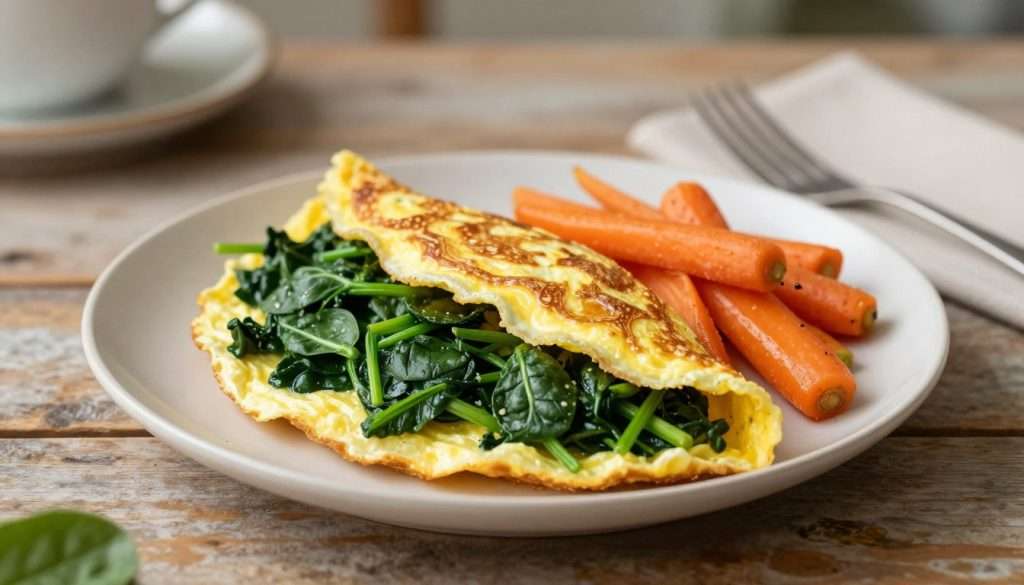
Add spinach to an omelet or put carrots beside lunch for an easy start. Red, orange, and green vegetables offer varied plant compounds that support a balanced diet.
Try kale, spinach, broccoli, carrots, and red or green peppers. Beets are another option, not a required brain food.
Beet juice is not necessary for better focus, and one small study cannot prove better exam performance. Beets contain nitrates that the body converts into nitric oxide.
Nitric oxide plays a role in blood flow and nerve-cell communication. A 2019 study of 24 younger and older adults found that 5 ounces of beet juice raised blood nitrate levels.
Those participants also improved their reaction time on mental tests compared with a placebo. The small study does not show that beets will improve every person’s brain function.
A 2018 study of 51 children ages 7 to 13 found an association between macular pigment optical density and brain function and intellectual ability. That association is not proof that a vegetable caused the difference.
Extra-virgin olive oil can add flavor to vegetables and supplies polyphenols. A drizzle can make greens or roasted carrots easier to enjoy.
Pick vegetables you will actually eat, rather than turning dinner into a science project. Now we can put individual ingredients together for study time.
What Should You Eat Before and During a Study Session?
If a study block is ahead, plan your next meal before hunger takes over. A familiar mix of carbohydrates, protein, and produce can make a steady, satisfying start.
Build a meal from foods you know and tolerate well. Whole grains or other carbohydrates, protein, and fruit or vegetables make a flexible pattern.
Build a meal before you sit down
An egg-and-avocado whole-grain toast meal is one option. Salmon with rice and vegetables is another, and both can fit different schedules.
Keep the meal familiar and simple. You are feeding yourself, not auditioning for a cooking show before an exam.
Keep study-break snacks simple
These combinations can travel between classes or give you an easy pause at your desk:
| Snack combination | What it includes | Why it can be practical |
|---|---|---|
| Berries with yogurt | Fruit and protein | Easy between classes |
| Apple with peanut butter | Fruit and a filling spread | Portable |
| Carrots with hummus | Vegetables and a legume-based dip | No cooking |
| Whole-grain toast with egg | Grain and protein | More substantial break |
Choose familiar foods before an exam. Avoid trying a new meal when nerves or a sensitive stomach are in play.
A snack should match your hunger and the time you have. A few bites may be enough between classes; a longer study block may call for more.
A solid meal is only part of feeling steady during study sessions. Drinks and pre-study choices can affect comfort, too.
How Can You Avoid Food and Drink Slumps Before Studying?
Put water within reach before a long study block. Water is a straightforward drink to keep nearby, and dehydration can contribute to fatigue, headaches, and reduced concentration.
No single drink causes brain fog for everyone; dehydration, alcohol, too much caffeine for your tolerance, or a drink that disrupts sleep may contribute. Ordinary coffee or tea does not necessarily dehydrate everyone.
Sugary snacks or drinks may bring a quick rise and fall in energy for some people. Large, greasy meals can also feel uncomfortable during a study session.
Before an exam, these are sensible choices to limit or avoid:
- Unfamiliar foods
- Very large meals
- Sugary drinks or snack binges
- Alcohol
The five worst foods for memory loss are not a settled, universal ranking; sugary drinks, heavily processed snacks, frequent fried foods, excess alcohol, and a diet low in varied whole foods are sensible patterns to limit, not foods that can be said to kill brain cells.
No single food can be named as the main cause of brain-cell death. Serious brain harm has causes beyond diet, including injury and illness.
No single food can be named as the main cause of brain-cell death. Serious brain harm has causes beyond diet, including injury and illness.
Keeping water close and choosing familiar food can help you avoid extra discomfort. A good study routine supports your body as well as your mind, so choose one manageable next step.
Conclusion
Fueling a study session does not need to be complicated. A balanced pattern and familiar food choices are more useful than searching for one magic brain food.
For your next study session, choose one realistic snack or meal to try. Notice whether it fits your schedule and feels comfortable, then keep what works.
If this article resonated with you, my free book How to Become the Smartest Student in the Classroom gives you a full system: memory techniques, study routines, and strategies that actually stick. No cost, no catch. Grab your free copy here: https://www.studyingmachine.com/free-books/.
Try one small food or routine change, and get the free copy for a fuller study system.