
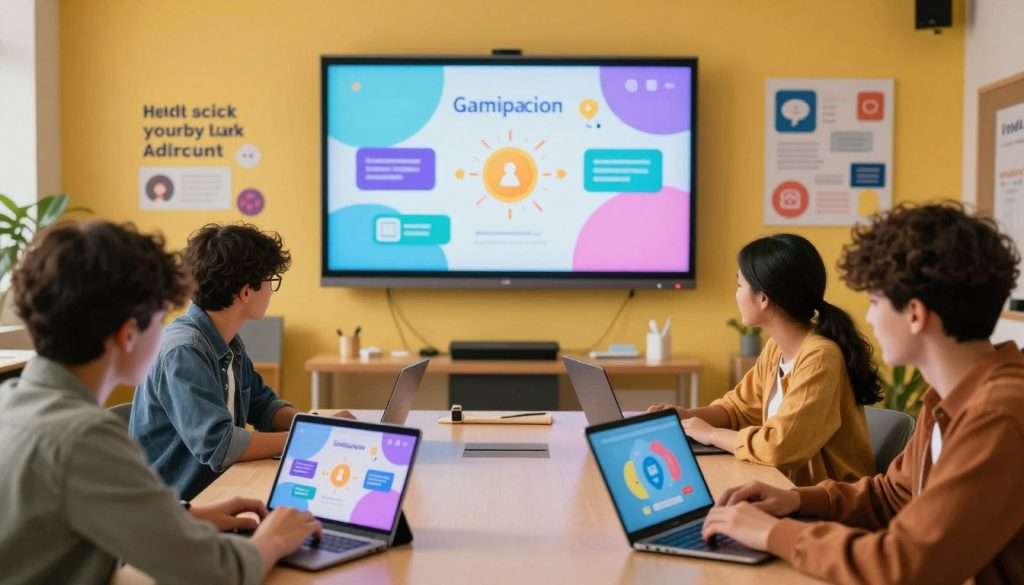
Why do we spend hours on TikTok but struggle to focus on a book for just ten minutes? It’s easy to get sucked into our phones while our schoolwork piles up. Our brains seem to crave those quick digital hits.
Luis von Ahn, the genius behind Duolingo, saw this huge gap in our focus. He shared key insights on how to make learning as addictive as social media in a famous TED Talk. He pointed out that education must compete with apps like Instagram to keep us learning.
We can engage learners by tapping into the same psychology that keeps us hooked on social media. By making learning a fun game, we can turn a chore into something we look forward to. Let’s trade in endless scrolling for real progress.
Key Takeaways
- Education can use the same dopamine triggers as popular entertainment apps.
- Gamification turns boring study sessions into rewarding, fun challenges.
- Luis von Ahn proves that streaks keep people coming back every day.
- Consistency is easier when the learning process feels like a game.
- Smart apps use psychology to help people master new skills quickly.
- Bridging the gap between fun and studying is the future of education.
Why Social Media Captures Our Attention (And Learning Doesn’t)
Have you ever wondered why social media grabs our attention so much, but learning seems like a task? It’s because social media uses tricks to keep us hooked. These tricks are based on how our brains work.
Nir Eyal’s Hook Model explains how social media keeps us coming back. It uses triggers, actions, rewards, and investments. This idea can also help make learning fun and engaging.
The Dopamine Loop Explained
The dopamine loop is key to social media’s addictive nature. Dopamine is linked to pleasure and reward. When we get likes or notifications, our brain gets a dopamine boost, making us feel good.
Instant Gratification vs. Delayed Rewards
Social media gives us instant rewards like likes and comments. Learning, on the other hand, offers rewards later, like better job prospects. This delay can make learning seem less appealing.
| Characteristics | Social Media | Traditional Learning |
|---|---|---|
| Reward Type | Instant gratification | Delayed rewards |
| User Engagement | High | Variable |
| Feedback Loop | Immediate feedback | Delayed or infrequent feedback |
The Psychological Triggers Social Media Exploits
Social media uses tricks like FOMO, social validation, and curiosity to keep us hooked. Knowing these tricks can help make learning more fun and interactive.
For example, using gamification in learning can make it more enjoyable. This can include points, badges, and leaderboards. It helps bridge the gap between the instant rewards of social media and the delayed rewards of learning.
The Science Behind Addictive Learning Experiences
Let’s explore the science behind why learning can be so addictive. Knowing how our brains work and what grabs our attention is key. This knowledge helps us make learning experiences that are both fun and memorable.
How the Brain Processes Information and Rewards
Our brains love rewards, which makes us feel good and want to do more. When we learn something new, our brain checks if it’s worth it. If it is, we’re more likely to keep learning.
This process involves many neural pathways. But simply, it’s about looking forward to rewards and feeling satisfied when we get them. That’s why interactive content with quick feedback is so good at keeping us interested.
Variable Reward Schedules in Education
Variable reward schedules make learning addictive. By changing the rewards, we keep learners curious and engaged. This idea comes from behavioral psychology and shows that surprises are more motivating than regular rewards.
For instance, surprise quizzes or unexpected rewards for finishing tasks boost engagement. This method not only makes learning fun but also keeps learners motivated.
| Reward Type | Effect on Engagement | Example in Education |
|---|---|---|
| Fixed Rewards | Predictable, can lead to boredom | A student receives the same badge for every task completion. |
| Variable Rewards | Unpredictable, increases curiosity and engagement | A student receives random rewards or badges for task completion. |
The Role of Novelty and Surprise
Novelty and surprise keep learners interested. Our brains are naturally curious about new things. Adding surprises to learning keeps it exciting and fresh.
We can do this with personalized learning experiences. These adapt to the learner’s needs and offer new challenges and content at the right time.
By using these principles, we can make learning both fun and addictive. It can be as engaging as using our favorite social media platforms.
Create Immediate Feedback Loops in Your Study Sessions
Imagine tracking your progress and getting instant feedback while studying. This is the power of immediate feedback loops. It’s key for learning well, keeping you motivated and adjusting your study plans. We’ll look at how to set up these loops in your study time.
Set Up Micro-Goals with Instant Validation
Micro-goals help you feel accomplished and motivated. By breaking big goals into smaller tasks, you see progress and get instant feedback. For example, with digital learning tools like Duolingo, set goals like finishing a certain number of lessons daily.
To do this, break down big goals into smaller tasks. Use a planner, app, or online education platforms to track and see your progress.
Use Real-Time Progress Tracking Tools
Real-time progress tracking tools make learning better. They give you feedback on your progress, keeping you motivated. For example, many online education platforms show your progress through courses or lessons.
Comparing different tracking tools helps you pick the best one. Here’s a simple comparison:
| Tool | Real-Time Tracking | Customization |
|---|---|---|
| Duolingo | Yes | High |
| Khan Academy | Yes | Medium |
| Quizlet | Yes | High |
Implement Self-Assessment Checkpoints
Self-assessment checkpoints are great for immediate feedback. By testing your understanding, you find areas to improve and adjust your study plan. Use quizzes, flashcards, or practice tests on digital learning tools for this.
To make self-assessment checkpoints work best, plan regular review sessions. Use what you learn to improve your study strategy.
Gamify Your Learning Process
Gamification can turn your learning into an exciting adventure. By adding game elements to your study routine, you can increase student engagement and enjoy learning more.
Let’s explore some ways to make your education more fun and interactive.
Apply Point Systems and Achievement Badges
One easy way to gamify learning is with a point system. Give points for tasks or milestones in your study plan. For example, earn points for finishing a chapter or scoring well on a quiz.
Achievement badges are also great motivators. They show your achievements and can be shared online. Duolingo, a language app, uses badges to keep users motivated.
Create Personal Leaderboards and Challenges
Leaderboards can spark friendly competition. Create a leaderboard to track your progress or compare with friends. Challenge each other to reach goals or complete tasks quickly.
For example, challenge yourself to read a certain number of pages in a week. This makes studying more fun and engaging.
Build Winning Streaks and Maintain Momentum
Streaks, like those in Duolingo, help keep you going. A streak is a series of days where you meet a goal, like practicing a language.
Set daily goals and celebrate your wins. Don’t worry if you miss a day – just get back on track.
Level Up Your Skills with Progressive Difficulty
As you learn, make sure the challenges get harder. This keeps you engaged and prevents boredom.
For example, start with simple vocabulary and grammar. As you get better, the app introduces harder concepts. This keeps learning exciting and fresh.
By using these gamification strategies, you can make learning more fun and effective. The goal is to gamify education in a way that keeps you motivated and engaged.
Design a Personalized Learning Experience That Hooks You
Imagine a learning experience made just for you. It has content that speaks to you and challenges you right. Personalization keeps you engaged, and adaptive learning technologies adjust to your skills in real-time. They offer content that’s just right for you.
Identify Your Learning Style and Preferences
Knowing how you learn is key to a personalized experience. Are you a visual, auditory, or kinesthetic learner? Do you like reading, watching videos, or doing hands-on activities? Knowing your preferences helps you focus on what works best for you.
To find out your learning style, take online quizzes or assessments. They give insights into your learning preferences. You can also try different learning methods to see what suits you best.
Customize Content to Match Your Personal Interests
Learning is more fun when it’s about things you love. For example, if you’re learning a new language, use resources that match your interests. This could be sports, music, or travel.
| Learning Topic | Personal Interest | Customized Content |
|---|---|---|
| Language Learning | Sports | Use language learning apps that include sports-related vocabulary and conversations. |
| Programming | Game Development | Focus on programming languages and resources that are used in game development. |
| History | Ancient Civilizations | Explore historical content that delves into ancient civilizations, using multimedia resources like documentaries and podcasts. |
Adjust Difficulty Levels for Optimal Challenge
Learning is best when it’s just right—not too easy, not too hard. Adaptive learning technologies adjust the difficulty level based on your performance. This ensures you’re always challenged but not overwhelmed.
By making your learning experience personal, you stay engaged and motivated. It’s about creating a path that fits your needs, interests, and learning style.
Leverage Interactive Content and Active Learning
Interactive content makes learning more fun and effective. Switching from passive to active learning boosts your understanding and retention.
Replace Passive Reading with Active Recall
Active recall is a great way to stay engaged. It means you actively try to remember information instead of just reading it again. You can use flashcards, write notes in your own words, or test yourself.
For instance, instead of just reading a chapter, try to remember the key points. You can make a concept map or a mental summary. This helps you remember information better and recall it when needed.
Use Quizzes, Polls, and Interactive Exercises
Quizzes, polls, and interactive exercises make learning fun. They test your knowledge and give you instant feedback, which is key for learning.
Here are some ways to add these to your study routine:
- Create quizzes with tools like Quizlet or Kahoot.
- Join online polls and discussions about your subject.
- Try interactive exercises in your textbooks or online.
These elements make studying more fun and effective.
Incorporate Video, Audio, and Multimedia Elements
Adding multimedia like videos, podcasts, and simulations makes learning more interesting. Different media can make complex info easier to understand.
| Multimedia Element | Benefits | Examples |
|---|---|---|
| Videos | Visual explanations, demonstrations | YouTube, Khan Academy, Crash Course |
| Podcasts | Audio learning, on-the-go | TED Talks Daily, How I Built This |
| Interactive Simulations | Hands-on experience, experimentation | PhET Interactive Simulations, GeoGebra |

How to Make Learning as Addictive as Social Media Using Social Elements
To make learning addictive, add social elements that create a community feel. Learning with others makes it more fun and keeps you motivated.
Join Study Communities and Accountability Groups
Being part of study communities and accountability groups can really help. These groups let you talk about topics, share tips, and stay motivated. Being in a community helps you keep up with your learning goals.
Benefits of Study Communities:
- Collaborative learning environment
- Access to shared resources and knowledge
- Motivation through peer interaction
Share Your Progress and Celebrate Wins Publicly
Sharing your progress and wins can really motivate you. It makes you feel accomplished and inspires others. Use social media or learning apps to share your achievements.
Celebrating milestones publicly boosts positive learning habits. It creates a supportive space where everyone cheers each other on.
Engage in Collaborative Learning Activities
Doing group projects, discussions, and peer reviews makes learning fun. These activities keep you active and interested in your studies.
Create Friendly Competition with Peers
Competing with peers can really boost your motivation. It keeps you driven to reach your learning goals. Try quizzes, challenges, or simple competitions to see who wins.
Adding these social elements to your learning routine makes it more fun. It not only improves your learning but also makes it last longer.
Build Irresistible Study Habits with Trigger-Action Patterns
To make learning as addictive as social media, we need to understand how to create habits that stick. The secret to making learning addictive lies in creating trigger-action patterns that work for you. By leveraging the Hook Model’s trigger-action pattern, you can turn learning into a consistent habit.
So, how do we create these trigger-action patterns? It starts with understanding the cues that trigger your learning actions. Designing environmental cues is crucial for automatic learning. For instance, you can designate a specific study space that signals your brain that it’s time to learn.
Design Environmental Cues for Automatic Learning
Environmental cues are triggers that remind you to perform a certain action. In this case, it’s learning. By consistently using the same space for studying, you create an association between that environment and the act of learning. This makes it easier to get into the right mindset whenever you’re in that space.
For example, you can make your study space conducive to learning by ensuring it’s quiet, well-lit, and free from distractions. Every element in this space should cue your brain to focus on learning. You can also use specific objects like a favorite pen or a particular type of notebook to further reinforce the habit.
Stack Learning Habits onto Existing Routines
Another effective strategy is to stack your learning habits onto existing routines. This means attaching your new learning habit to a habit you already have, like right after breakfast or before bed. By doing so, you’re leveraging the strength of your existing habits to build new ones.
For instance, if you always check your phone right after waking up, you can stack a learning habit onto this routine by downloading a learning app and spending the first 10 minutes of your day learning a new language or a new skill.
Reduce Friction and Make Starting Effortless
Reducing friction is key to making starting effortless. The less energy required to start learning, the more likely you are to do it. This can be achieved by having all your learning materials ready and easily accessible.
For example, if you’re learning a new language, keep your language learning app open on your phone or have your language learning books readily available. By minimizing the steps needed to start learning, you’re making it easier to get started and maintain momentum.
By implementing these strategies, you can create a system that makes learning as addictive as social media. It’s all about creating the right triggers, making the action easy to perform, and rewarding yourself for your efforts.
The Best Digital Learning Tools and Platforms to Boost Engagement
The right digital tools can change how we learn. Here’s what you need! Today, many tools and platforms make learning fun and effective.
Gamified Learning Apps: Duolingo, Khan Academy, and Quizlet
Gamified learning apps make studying fun and competitive. Duolingo turns language learning into a game with points and badges. Khan Academy offers courses with interactive exercises and rewards. Quizlet uses games to help students learn and remember information.
These apps have cool features like:
- Interactive challenges and quizzes
- Reward systems for motivation
- Progress tracking and analytics

Spaced Repetition Systems: Anki and RemNote
Spaced repetition helps you remember things for a long time. Apps like Anki and RemNote make it easy. They use algorithms to review material at the right time.
Spaced repetition systems offer:
- Improved retention rates
- Efficient use of study time
- Customizable decks for different subjects
Interactive Video Platforms: Udemy and Coursera
Interactive video content engages learners. Udemy and Coursera offer courses with video lectures and quizzes. These platforms add multimedia and interactive assessments to make learning fun.
Social Learning Communities: Discord Study Servers and Study Together
Learning with others motivates you. Discord Study Servers and Study Together are social learning communities. You can join others studying the same thing, share resources, and stay on track.
Being part of a study community offers:
- Motivation through peer support
- Opportunities for collaborative learning
- Access to shared resources and study materials
Optimize Your Learning Sessions for Maximum Dopamine Release
To make learning more fun, focus on releasing more dopamine. Dopamine is key for motivation and pleasure. By setting up your study sessions to boost dopamine, you can increase student engagement and enjoy learning more.
We’ll look at three ways to do this: using the Pomodoro Technique, mixing up your study activities, and rewarding yourself after reaching goals.
Time Your Study Sessions Using the Pomodoro Technique
The Pomodoro Technique is about focused work followed by breaks. It keeps you productive and avoids burnout. By setting a specific time for studying, you stay focused and motivated.
- Choose a specific task or topic to study.
- Set a timer for 25 minutes and study without distractions.
- Take a 5-minute break to relax or enjoy something.
- Repeat the cycle for 4-6 “Pomodoros” per session.
- After four cycles, take a 15-30 minute break.
Vary Your Learning Activities to Maintain Interest
Changing up your study activities keeps things interesting and prevents boredom. Mixing different content and exercises keeps your brain active and engaged.
Here are some ways to mix it up:
- Switch between videos, podcasts, and textbooks.
- Add interactive elements like quizzes and games.
- Balance theory with practical exercises.
Reward Yourself Strategically After Milestones
Receiving rewards after reaching goals can motivate you. Linking your achievements to positive outcomes makes you more likely to keep up the good work.
Here are some tips for rewarding yourself:
- Set clear, achievable milestones in your learning journey.
- Choose rewards that are meaningful and enjoyable to you.
- Link the reward to the achievement right after you finish.
By using these strategies, you can gamify education and make learning more fun and engaging.
Measure and Amplify Your Learning Addiction
To keep learning exciting, it’s important to know what keeps you interested. You should track your progress, analyze how you engage, and improve your learning strategy.
Track Your Engagement Metrics and Study Streaks
Watching your study habits can reveal what motivates you. Use apps or tools to record your study times and see how you progress. This helps you find out what learning methods work best for you.
Analyze What Makes You Come Back for More
Think about what makes you want to keep learning. Is it the feeling of success after a tough task? Or maybe it’s the fun of interactive study materials? Knowing what keeps you engaged helps you boost these factors to keep your learning going strong.
Continuously Refine Your Learning System
Your learning system should always be changing and improving. Check your progress, listen to feedback, and tweak your approach as needed. You might try new study methods, different content, or change your study space. By always updating your learning style, you’ll stay engaged and make learning as fun as social media.
By using these tips, you’ll create a personalized learning experience that’s both fun and effective. The aim is to make learning a regular and enjoyable part of your life.
Conclusion
We’ve looked into how to make learning as fun as social media. Using tricks like instant feedback, games, and interactive stuff, studying can be both fun and useful.
Luis von Ahn shows us how to make learning meaningful. We can keep learners interested by adding surprises, new things, and social parts to our study plans.
To keep going, track your progress and see what keeps you hooked. Then, make your learning plan better. This helps you stay excited and makes learning a lasting habit.
Using these tips, you’ll not only get more into learning but also enjoy it more. So, try out these ideas and find a more fun and interactive way to learn.