
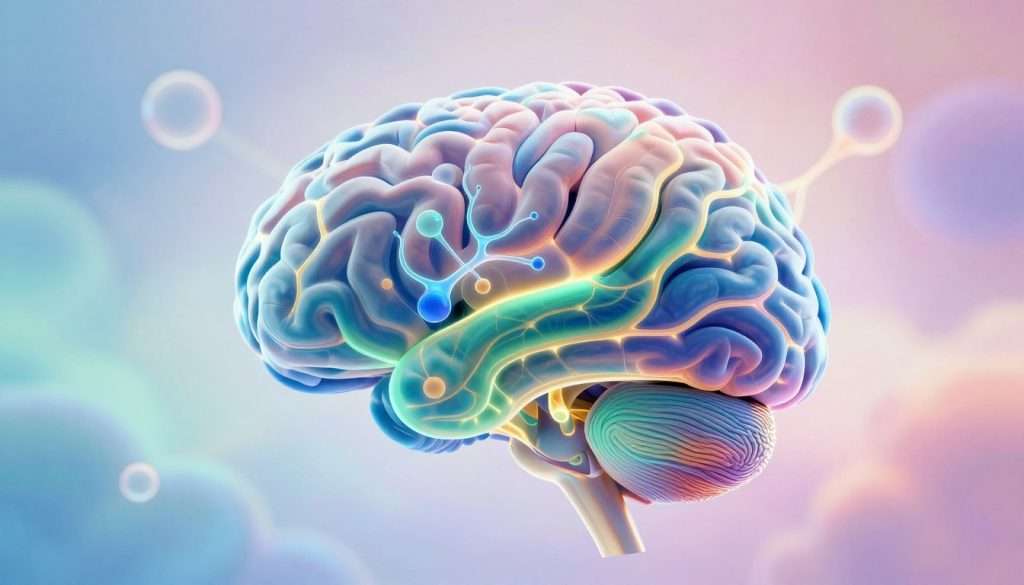
Ever thought your brain is just a fixed piece of hardware? Well, we have some incredible news for you. Your brain is actually a dynamic, ever-changing landscape. It constantly rewires itself based on your daily habits.
This amazing ability is known as neuroplasticity. It means your mind is not a static organ. Instead, it’s a living, breathing project that grows stronger every single day.
By understanding how this process works, you can make your study sessions more effective and enjoyable. You are not stuck with the brain you have today. You have the power to shape it for tomorrow.
We want to help you take control of your own cognitive growth. Let’s dive into how neuroplasticity can help you learn faster and smarter than ever before!
Key Takeaways
- Your brain is a dynamic organ that changes throughout your entire life.
- Daily habits play a massive role in how your brain rewires itself.
- You can actively improve your study sessions by leveraging your brain’s natural flexibility.
- Learning is not a static process; it is a journey of constant growth.
- You have the power to take control of your own cognitive development starting today.
The Science of Neuroplasticity
Imagine your brain as a living, breathing landscape that changes every day. For a long time, experts thought our minds were fixed, like computer chips, after we grew up. Now, we know that neuroplasticity makes our minds flexible and able to grow all our lives.
Defining the Adaptive Brain
Your brain is like a muscle that gets stronger with new challenges. Learning a new language or starting a hobby makes new connections in your brain. These brain changes are real, changing how your brain talks to itself.
You are shaping your mind every day through your habits and experiences. This is called the adaptive brain. It means you can always grow and change, limited only by your choices.
“The brain is a plastic organ, capable of learning and unlearning throughout the entire lifespan.”
Historical Perspectives vs. Modern Neuroscience
Scientists used to think the brain stopped growing after puberty. They thought your mind was set in your twenties. But now, thanks to new technology, we know the brain stays flexible well into old age.
We can see these brain changes live with advanced tools. This new view has opened up amazing ways to learn and grow. See the table below for how our views have changed.
| Feature | Old Perspective | Modern Neuroscience |
|---|---|---|
| Brain Growth | Stops at puberty | Continues throughout life |
| Neural Structure | Fixed and rigid | Dynamic and adaptive |
| Learning Potential | Limited by age | Unlimited with practice |
| Recovery | Permanent damage | Functional reorganization |
By embracing neuroplasticity, you can control your own mental growth. You’re not stuck by your biology. It’s time to see your brain as the amazing, changing tool it is.
How Neural Connections Shape Your Reality
Your thoughts are not just fleeting ideas; they shape your brain. Every new activity changes your brain in a small but significant way. This is called neuroplasticity, making your mind always changing.
It’s a dynamic landscape that changes with your choices. Knowing how it works lets you control your mental growth.
The Mechanism of Hebbian Learning
At the core is Hebbian learning. You might know it as, “neurons that fire together, wire together.” This is how your brain makes new connections.
“The brain is a plastic organ, capable of learning and unlearning throughout life.”
When you focus on a task, the neurons involved work together. This repeated work strengthens their connections. This is how you learn and remember things better with practice.
Mapping Pathways Through Experience
Your brain maps new routes based on your experiences. Think of your mind as a vast, untamed forest. Learning something new is like clearing a path through the dense brush.
The more you use that path, the clearer it gets. This is how habits become automatic. Your experiences build these internal maps.
The Impact of Repetition on Neural Efficiency
Repetition is like a road crew for your brain. Repeating a task makes those neural pathways super efficient. It’s like turning a difficult task into second nature.
- Consistency turns effort into intuition.
- Practice reduces the energy needed for complex tasks.
- Focus ensures the right pathways are strengthened.
By embracing this process, you make hard challenges easy. Your dedication to learning and memory today shapes your mental abilities tomorrow.
Understanding Synaptic Plasticity and Brain Reorganization
Your brain is amazing at changing itself to stay sharp. It does this through synaptic plasticity, the ability of neurons to change how they talk to each other. It’s like your brain is always updating its own wiring based on what you do every day.
When you learn something new, your brain changes its structure. It makes certain neural connections stronger so you can easily remember important stuff. This is how you grow, adapt, and change throughout your life.
Long-Term Potentiation Explained
Long-term potentiation, or LTP, is key to memory. It makes certain connections in your brain stronger based on how often you use them. The more you practice or study, the stronger these connections get.
Essentially, the more you use a connection, the stronger it becomes. This makes it easier to remember things later. Here are some benefits:
- Faster recall of complex information.
- Improved efficiency in skill acquisition.
- Greater stability for long-term memories.
Functional Reorganization After Injury
Life can sometimes be tough and affect our health. But even then, brain plasticity helps a lot. Your brain can reorganize itself, moving important functions to healthy areas.
This isn’t just about surviving; it’s about getting back to your best. By finding new paths, your brain helps you keep going even when things get tough.
How the Brain Compensates for Damage
When damage happens, your brain is like a traffic controller. It finds new ways for your thoughts and actions to flow. This shows how strong and resilient your mind is.
| Adaptation Type | Primary Function | Result |
|---|---|---|
| Synaptic Strengthening | Memory Retention | Increased Speed |
| Pathway Rerouting | Injury Recovery | Restored Function |
| Neural Pruning | Efficiency | Mental Clarity |
It’s amazing to see how your mind protects and improves itself. By understanding these processes, you can appreciate your own brain power. You’re always changing, and your brain is the engine behind that change.
The Role of Neurogenesis in Adult Brains
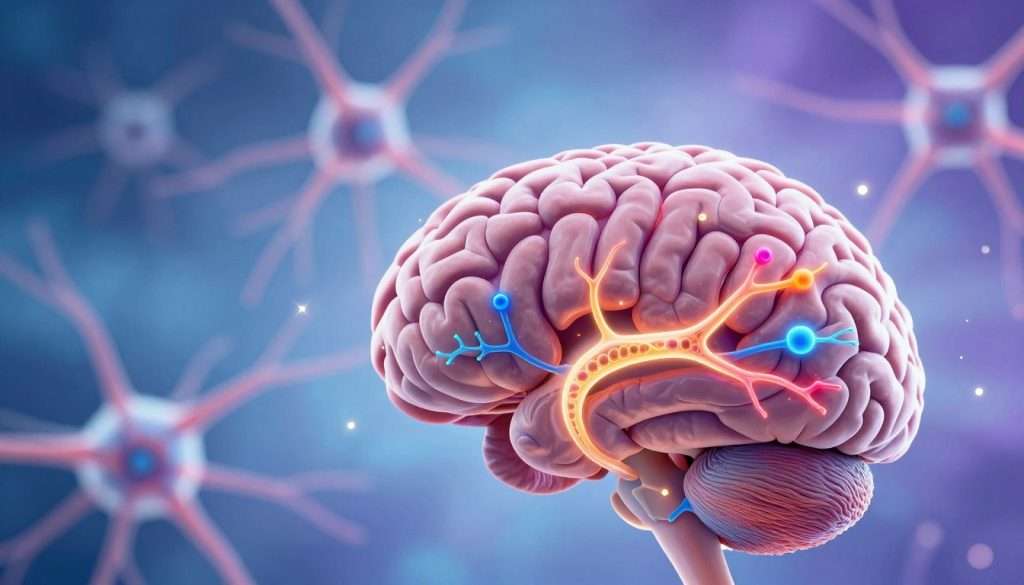
Think of your brain as a garden that never stops growing, even as you age. We used to think our brains were fixed after we grew up. But now, we know that neurogenesis—the creation of new brain cells—keeps happening. This lets our brains stay sharp and flexible.
The Hippocampus and Memory Formation
The hippocampus is a key area in your brain. It’s like the boss of learning and memory. It’s always processing new stuff. The dentate gyrus part of the hippocampus is where new brain cells are born.
These new cells help you remember things. Without them, you might get confused about what happened when. They help your brain keep track of your life with precision.
Factors That Stimulate New Neuron Growth
So, how can you help your brain grow? Think of your lifestyle as the food for your brain. Doing things that challenge your mind, eating well, and staying active help your brain grow.
Learning something new or exploring a new place tells your brain to grow. These brain changes are real and make your brain stronger. Here’s how different habits affect your brain.
| Activity | Impact on Brain | Benefit |
|---|---|---|
| Aerobic Exercise | Increases blood flow | Boosts learning and memory |
| Complex Learning | Creates new synapses | Enhances cognitive flexibility |
| Nutrient-Rich Diet | Reduces inflammation | Protects existing neurons |
| Quality Sleep | Clears metabolic waste | Supports long-term retention |
By focusing on these habits, you can keep your mind sharp. It shows that your brain can grow at any age. Your daily choices make a big difference in your mental clarity.
Cognitive Flexibility and Its Impact on Daily Life
Imagine your mind as a quick athlete, ready to change plans when needed. When life surprises you, how fast you adapt shows how well you handle it. This quick thinking is called cognitive flexibility. It’s key for anyone wanting to learn better.
Adapting to New Information and Environments
Sometimes, our first thoughts don’t match reality. Whether it’s a new subject or a work change, your brain must adjust fast. Shifting your view helps you absorb new info without feeling lost.
This change relies on brain reorganization. Your brain’s paths adjust to new needs. Being open to change keeps your mind fresh and ready for new ideas.
The Link Between Flexibility and Problem Solving
Ever noticed the best ideas come when you stop trying to control everything? Cognitive flexibility lets you see problems as puzzles, not walls. This mindset boost your creativity.
Being flexible opens your brain to more solutions. Brain reorganization connects unrelated ideas for breakthroughs. It turns tough study times into learning adventures.
Breaking Rigid Thought Patterns
Stuck thinking is like a dead-end path. We all have habits that hold us back. But, with cognitive training, you can break free. Challenging your thoughts builds new, better connections.
Try new ways to do daily tasks or study in different places. Regular cognitive training keeps your mind sharp. It makes your brain a flexible tool that works for you, not against you!
Practical Strategies for Cognitive Training
Starting to improve your brain power is easy. You don’t need fancy equipment. Just make small, daily choices to boost your brain’s strength.

The Benefits of Lifelong Learning
Learning something new is like a brain workout. Playing a musical instrument or learning a new language creates new neural connections. This keeps your mind sharp and ready for challenges.
Lifelong learning keeps your brain flexible. Stepping out of your comfort zone strengthens your mind. It’s a fun way to keep your brain healthy as you get older.
Mindfulness and Its Effect on Brain Structure
Mindfulness is more than relaxation. Studies show it can change your brain’s structure. It improves focus and emotional control.
“The brain is a plastic organ, constantly changing in response to our experiences and thoughts.”
Physical Exercise as a Catalyst for Growth
Exercise is great for your brain. It boosts the growth of brain cells by releasing BDNF. This protein is key for brain health.
The Importance of Sleep in Memory Consolidation
Sleep is crucial for brain health. It processes information and strengthens neural connections. Without enough sleep, learning is harder.
| Habit | Primary Benefit | Impact on Brain |
|---|---|---|
| Learning New Skills | Increased Plasticity | Builds new pathways |
| Mindfulness | Stress Reduction | Thickens gray matter |
| Aerobic Exercise | BDNF Release | Supports neuron survival |
| Quality Sleep | Memory Consolidation | Stabilizes learning |
By adding these habits to your routine, you boost synaptic plasticity. Your brain responds to your lifestyle. Choose wisely for a sharper, more capable you.
Factors That Influence Brain Changes
Our physical health and surroundings shape our brain power. Our brain needs the right food to work well. By knowing how our habits affect brain changes, we can improve our minds.
The Role of Nutrition in Brain Health
What you eat affects your synaptic plasticity. The MIND diet is great for your brain. It includes foods like leafy greens, berries, and nuts, which are full of nutrients.
These foods fight inflammation and stress. A healthy diet helps your brain make new connections. It’s like oil for your brain, keeping it running smoothly.
Environmental Enrichment and Stimulation
Your brain grows with new experiences. Novel environments boost brain plasticity. This lets your brain adapt and change.
You don’t need to travel to find new things. Small changes in your routine or learning a new hobby can help. These changes keep your mind sharp.
Social Interaction as a Cognitive Driver
Being social is good for your brain. Talking and listening are mental workouts. They strengthen your brain’s structure.
Good social interactions reduce stress and support your brain. Having a supportive community is key. It helps your mind grow and stay healthy.
| Factor | Primary Benefit | Impact Level |
|---|---|---|
| MIND Diet | Reduces cognitive decline | High |
| Novel Experiences | Boosts synaptic plasticity | High |
| Social Engagement | Enhances emotional resilience | Medium |
| Physical Exercise | Increases blood flow | High |
Overcoming Cognitive Plateaus
Ever felt like you’re not getting anywhere? Maybe you’re learning a new language or playing a musical instrument. But it seems like you’re just standing still. This is what happens when you hit a plateau.
Don’t get upset. Instead, see it as a necessary signal from your brain. It means your brain has learned the current level and is ready for more.
Identifying Stagnation in Skill Acquisition
How do you know if you’re really stuck? You might notice your skills aren’t improving, even when you try hard. You could feel bored, distracted, or annoyed by what you’re doing.
This lack of progress shows your cognitive flexibility is not being used. When your brain stops learning new things, it gets stuck. To move forward, you need to shake things up.
Techniques to Challenge Your Brain
To grow, you need to challenge your brain with new things. Cognitive training is a great way to do this. By changing how you study, you encourage neurogenesis and make new connections.
Here are some easy ways to keep your mind sharp:
- Try doing simple tasks with your non-dominant hand.
- Learn something completely new to boost your mental agility.
- Change your surroundings to get new sensory inputs.
The Power of Novelty and Complexity
Novelty and complexity are key for mental growth. When you tackle something new and hard, your brain has to adapt. This is crucial for keeping your cognitive flexibility sharp.
By adding complexity to your learning, you avoid getting stuck. This keeps your neurogenesis going and makes your cognitive training effective. Keep curious and keep improving your skills.
| Method | Impact on Brain | Difficulty Level |
|---|---|---|
| Repetitive Practice | Strengthens existing paths | Low |
| Novelty Introduction | Sparks new connections | High |
| Complex Problem Solving | Enhances neural plasticity | Very High |
Conclusion
You have the power to make your brain more vibrant and capable. By being curious, every study session becomes a chance to grow. We hope you’re inspired to take care of your mental health like you do with your hobbies.
Understanding your brain’s potential changes how you face daily challenges. You can create habits that boost your cognitive flexibility. This mindset makes learning new things easier and more enjoyable.
Your brain loves new experiences and consistent effort. Every positive choice you make today helps reorganize your brain. These small wins make you stronger over time.
Keep discovering new things and pushing your limits. You have the power to shape your brain for success. Enjoy the journey of becoming your best self!