
Reading every day isn’t just a hobby—it’s one of the most powerful ways to upgrade your brain and boost your overall well-being. If you’re someone who wants to get smarter, feel better, and unlock your creative potential, science shows that daily reading delivers all three benefits.
This guide is for busy professionals, students, parents, and anyone looking to make reading a game-changing part of their routine. You’ll discover how reading rewires your brain for better thinking, why it’s a natural stress-buster that improves your mental health, and how books spark the kind of creative thinking that leads to breakthrough ideas.
We’ll explore the fascinating research behind reading’s brain-boosting effects and share practical strategies for building a reading habit that actually sticks—even with a packed schedule.
Daily Reading Enhances Cognitive Function and Intelligence
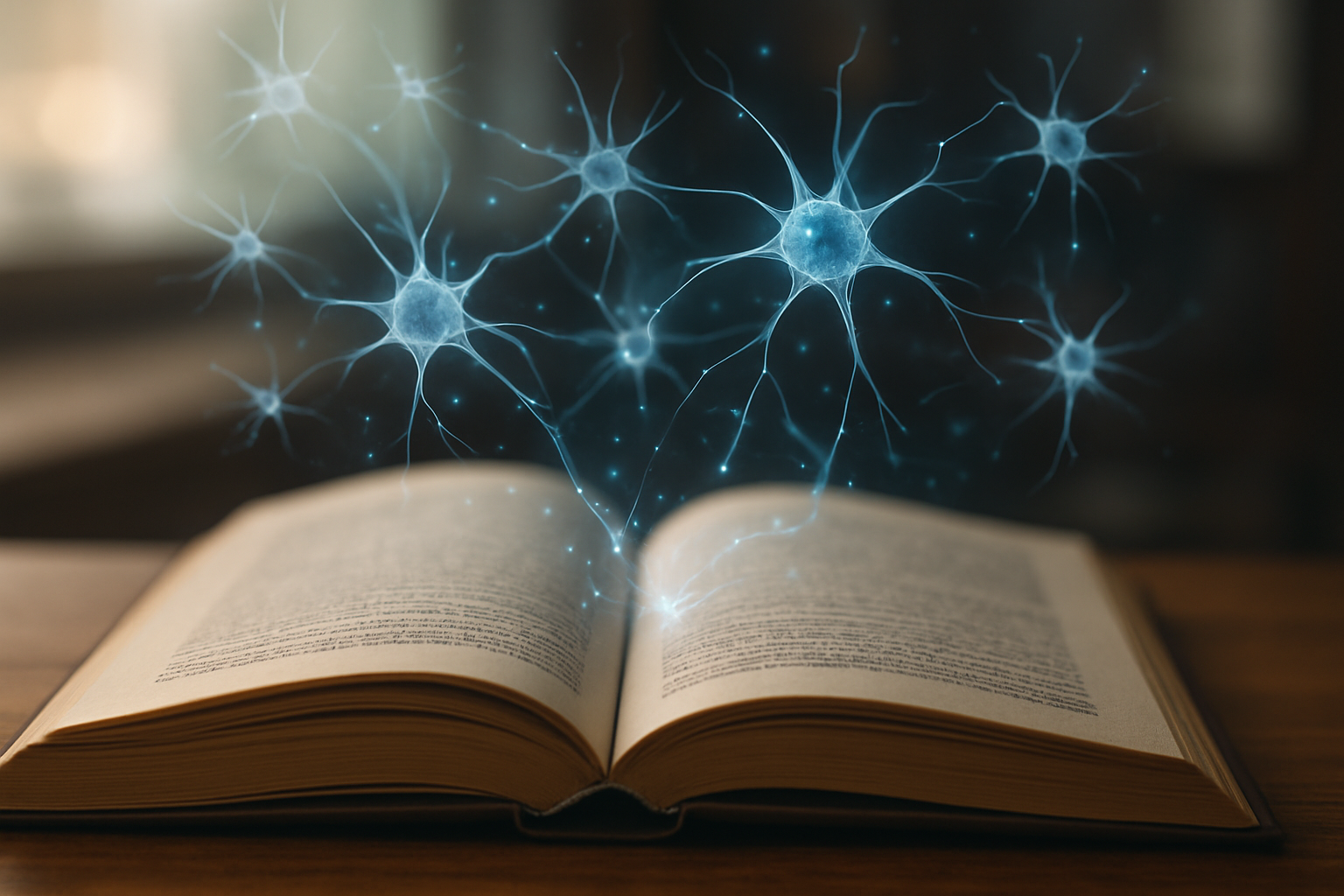
Improves vocabulary and language comprehension skills
Reading daily exposes you to thousands of words you might never encounter in regular conversation. Each book, article, or magazine introduces new vocabulary naturally through context, making it easier to understand and remember these words compared to memorizing dictionary definitions.
Research shows that people who read regularly score significantly higher on vocabulary tests than those who don’t. This happens because reading provides multiple exposures to the same words in different contexts, which strengthens your understanding of their various meanings and uses. Your brain starts recognizing patterns in language structure, sentence formation, and word relationships.
The benefits extend beyond just knowing more words. Regular readers develop better language intuition – they can sense when something sounds right or wrong grammatically, even without knowing the specific rules. This skill transfers to writing, speaking, and overall communication effectiveness.
Strengthens critical thinking and analytical abilities
Books challenge your mind to process complex ideas, follow intricate plots, and understand character motivations. This mental workout strengthens your ability to analyze information, spot inconsistencies, and draw logical conclusions.
Fiction readers particularly develop strong analytical skills by constantly predicting plot developments, understanding character psychology, and interpreting symbolic meanings. Non-fiction reading builds these skills through exposure to arguments, evidence evaluation, and logical reasoning structures.
Regular reading also improves your ability to see multiple perspectives on issues. Authors present different viewpoints, cultural contexts, and problem-solving approaches that expand your mental toolkit for tackling real-world challenges.
Boosts memory retention and recall capacity
The act of reading is essentially a memory workout. Your brain must remember characters, plot points, facts, and connections throughout entire books or articles. This constant practice strengthens both short-term and long-term memory systems.
Studies using brain imaging show that regular readers have increased connectivity in brain regions associated with memory formation. The hippocampus, your brain’s primary memory center, shows enhanced activity in people who read consistently.
Reading also improves working memory – your ability to hold and manipulate information in your mind simultaneously. This skill proves valuable in academic settings, professional environments, and everyday problem-solving situations.
Increases general knowledge across diverse subjects
Every book you read adds to your knowledge base, creating a rich foundation of information across multiple domains. Fiction introduces historical periods, cultural practices, and human psychology. Non-fiction covers everything from science and technology to philosophy and current events.
This broad knowledge base creates unexpected connections in your thinking. Information from one book often illuminates concepts in another, leading to deeper understanding and creative insights. Your conversations become more interesting, and you develop opinions on a wider range of topics.
The knowledge gained through reading also tends to stick better than information consumed through other media because reading requires active engagement and mental visualization, creating stronger memory traces in your brain.
Reading Habits Reduce Stress and Boost Mental Well-being

Lowers Cortisol Levels and Promotes Relaxation
The simple act of opening a book triggers a cascade of physiological changes that help your body shift into relaxation mode. Research shows that reading for just six minutes can reduce stress levels by up to 68%, which is more effective than listening to music, drinking tea, or taking a walk. This happens because reading demands focused attention, forcing your mind to concentrate on the narrative rather than cycling through daily worries and anxieties.
When you read, your brain produces fewer stress hormones like cortisol and adrenaline while simultaneously increasing the production of calming neurotransmitters. The rhythmic nature of processing words and following storylines creates a meditative effect similar to deep breathing exercises. Your heart rate slows, muscle tension decreases, and blood pressure drops as you become absorbed in the text.
Provides Healthy Escapism from Daily Pressures
Books offer a temporary refuge from the constant demands of modern life without the negative side effects of other escape mechanisms. Unlike scrolling through social media or binge-watching television, reading provides mental respite while simultaneously enriching your mind. You can travel to different worlds, experience other time periods, or explore complex philosophical ideas without leaving your reading chair.
This form of escapism proves particularly valuable during challenging periods. When work stress peaks or personal problems feel overwhelming, diving into a compelling story allows your subconscious mind to process emotions while your conscious mind focuses on plot developments and character interactions. The temporary mental break often leads to fresh perspectives on real-life challenges when you return to them.
Enhances Emotional Intelligence Through Character Exposure
Regular reading exposes you to diverse characters facing various emotional situations, effectively serving as a training ground for understanding human psychology. Fiction, especially literary fiction, requires you to interpret characters’ motivations, decode subtle emotional cues, and predict behavioral patterns based on psychological insights.
This constant practice of reading between the lines translates directly into improved real-world social skills. Studies indicate that people who read fiction score higher on empathy tests and demonstrate better ability to understand others’ mental states. You develop a more nuanced understanding of human emotions by witnessing how different characters react to similar situations, building a mental library of emotional responses that helps you navigate your own relationships more effectively.
Improves Sleep Quality When Practiced Before Bedtime
Creating a bedtime reading ritual signals to your body that it’s time to wind down, establishing a healthy sleep routine. Reading physical books before bed proves especially beneficial because it doesn’t emit blue light like electronic devices, which can disrupt your natural circadian rhythms and melatonin production.
The cognitive effort required for reading gradually tires your brain in a natural way, making the transition to sleep smoother. Many people find that their minds race when they first lie down, but reading provides a gentle activity that occupies those racing thoughts until drowsiness takes over. Choose lighter material for bedtime reading rather than intense thrillers or complex non-fiction to avoid overstimulation before sleep.
Literature Stimulates Creative Thinking and Innovation

Exposes readers to diverse perspectives and ideas
Reading opens windows into countless worldviews, cultures, and ways of thinking that stretch far beyond our personal experiences. When you dive into books written by authors from different backgrounds, time periods, and disciplines, your brain absorbs new frameworks for understanding complex problems. A neuroscientist from Mumbai might approach creativity differently than a poet from rural Montana, and both perspectives add valuable tools to your mental toolkit.
Fiction especially excels at introducing readers to unfamiliar situations and moral dilemmas. You might find yourself experiencing life through the eyes of a Victorian detective, a modern-day refugee, or even a sentient AI. These mental journeys create new neural pathways and help you consider solutions you never would have imagined on your own.
Non-fiction works similarly expand your intellectual horizons by presenting research, theories, and case studies from experts across fields. Reading about biomimicry might inspire an engineer to solve a mechanical problem using principles found in nature, while a business book about Japanese management styles could spark innovative approaches to team collaboration.
Develops imagination through vivid storytelling
Stories have the unique power to transport readers into richly detailed worlds that exist only in imagination. When authors describe fantastical settings, complex characters, or impossible scenarios, your brain works overtime to visualize and process these mental images. This constant exercise strengthens your creative muscles in ways that passive entertainment cannot match.
The act of reading requires active participation from your imagination. Unlike movies or TV shows where visuals are provided, books demand that you create mental pictures from words alone. You become the director, set designer, and casting agent for every story you read. This process trains your brain to generate original imagery and scenarios, skills that transfer directly to creative problem-solving in other areas of life.
Research shows that people who read fiction regularly score higher on measures of creativity and divergent thinking. The mental gymnastics required to follow complex plots, understand character motivations, and predict story outcomes all contribute to enhanced creative capabilities.
Inspires original thought patterns and problem-solving approaches
Reading exposes you to countless examples of creative problem-solving across different contexts and disciplines. Mystery novels showcase logical deduction, science fiction explores innovative solutions to future challenges, and historical accounts reveal how people overcame obstacles with limited resources. Each story or concept becomes a potential blueprint for tackling your own challenges.
Books also demonstrate various thinking styles and methodologies. You might encounter the systematic approach of a detective, the lateral thinking of an inventor, or the philosophical reasoning of a scholar. These different cognitive approaches expand your mental repertoire and help you attack problems from multiple angles.
The cross-pollination of ideas between different fields often leads to breakthrough innovations. Many successful entrepreneurs and inventors credit their reading habits for providing the diverse knowledge base needed to connect seemingly unrelated concepts. Steve Jobs famously drew inspiration from calligraphy classes when designing Apple’s fonts, while biomimicry researchers find solutions in nature books that transform engineering challenges.
Regular reading also builds pattern recognition skills. As you encounter similar themes, structures, and solutions across different books, you develop an intuitive sense for identifying underlying principles that can be adapted to new situations. This meta-cognitive awareness becomes a powerful tool for generating original solutions to complex problems.
Scientific Evidence Supporting Reading’s Mental Health Benefits
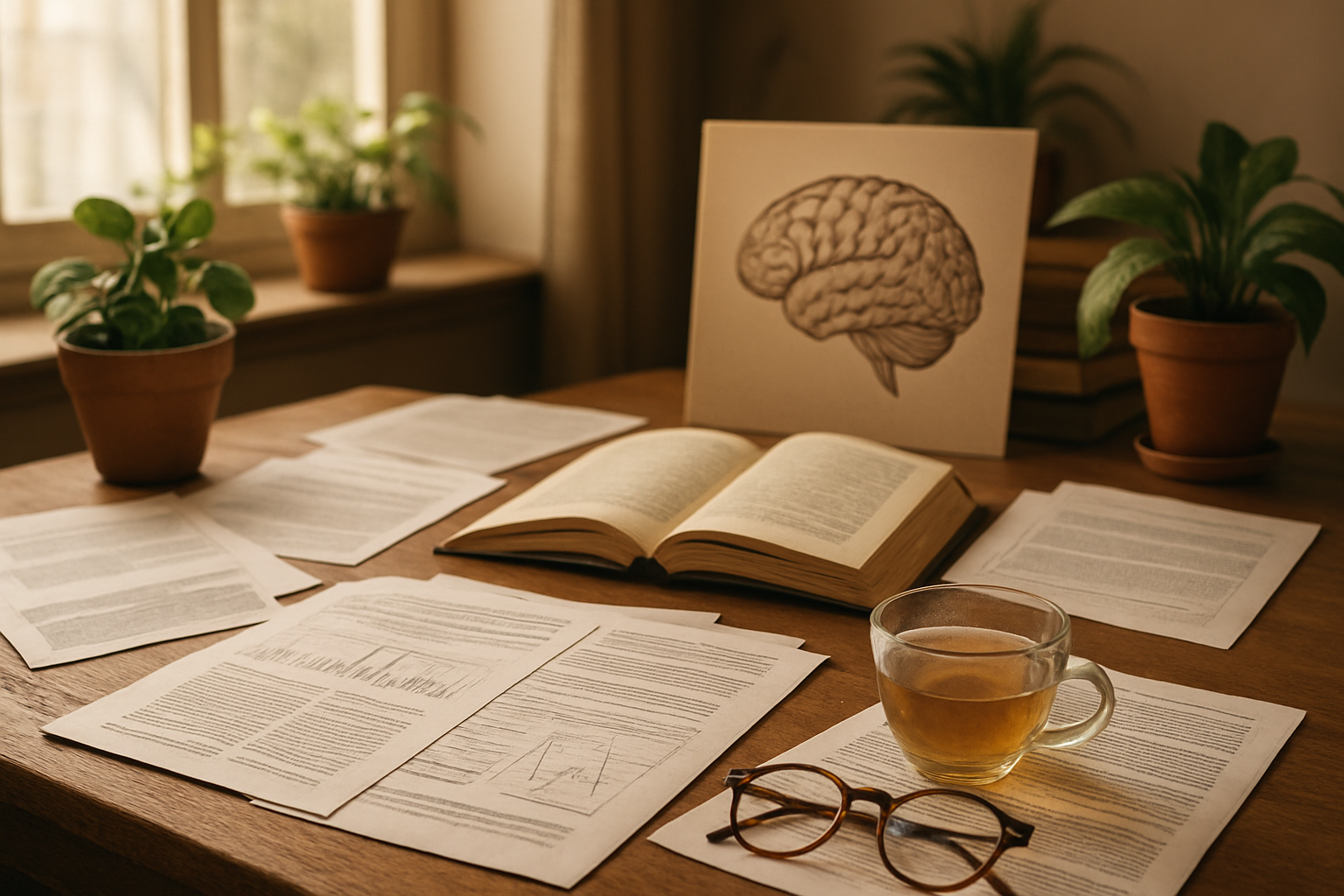
Neurological studies showing brain activity improvements
Brain imaging studies reveal remarkable changes in neural activity among regular readers. MRI scans show increased connectivity in the left temporal cortex, the brain region responsible for language processing and comprehension. Research from Emory University found that reading fiction creates lasting neural changes that persist for days after finishing a book.
Neuroscientists have discovered that reading activates multiple brain networks simultaneously. The default mode network, responsible for introspection and self-referential thinking, works alongside the executive attention network during reading sessions. This dual activation strengthens cognitive flexibility and enhances the brain’s ability to switch between different mental tasks.
Stanford University’s neuroimaging research demonstrates that close literary reading—the kind that requires focused attention and analysis—increases blood flow to areas associated with executive function. These brain regions become more efficient at processing complex information and making connections between abstract concepts.
Research linking reading to reduced depression and anxiety
Clinical studies consistently show that bibliotherapy—therapeutic reading—significantly reduces symptoms of depression and anxiety. A 2013 study published in PLOS ONE found that people who read fiction scored higher on measures of empathy and emotional intelligence while reporting lower levels of stress and depressive symptoms.
Reading acts as a form of cognitive behavioral therapy by providing distance from personal problems and offering new perspectives on challenging situations. Research from the University of Sussex shows that reading for just six minutes can reduce stress levels by up to 68%, surpassing other relaxation techniques like listening to music or drinking tea.
Longitudinal studies tracking participants over several years reveal that regular readers maintain better emotional regulation and report fewer anxiety-related episodes. The immersive nature of reading provides a healthy escape mechanism that doesn’t rely on external substances or potentially harmful coping strategies.
Studies demonstrating enhanced empathy in regular readers
Literary fiction readers consistently outperform others on tests measuring theory of mind—the ability to understand that others have different thoughts, feelings, and perspectives. Research published in Science magazine showed that people who read literary fiction scored significantly higher on empathy assessments compared to those who read popular fiction or non-fiction.
The New School for Social Research conducted experiments where participants read different types of texts before taking empathy measurements. Those exposed to literary fiction showed immediate improvements in their ability to identify emotions in facial expressions and understand complex social situations.
Neuroscientist Keith Oatley’s research suggests that reading fiction serves as a “flight simulator for social situations.” Readers practice navigating complex emotional landscapes through characters’ experiences, building empathy skills that transfer to real-world interactions. Brain scans show that when readers encounter character emotions, their own emotional processing centers activate as if they were experiencing those feelings firsthand.
Long-term cognitive protection against age-related decline
Longitudinal aging studies provide compelling evidence that lifelong reading habits protect against cognitive decline. The Rush Memory and Aging Project, which followed over 1,000 participants for decades, found that people who engaged in reading throughout their lives experienced 32% slower rates of cognitive decline compared to non-readers.
Reading creates cognitive reserve—a buffer against age-related brain changes. This mental flexibility helps older adults maintain problem-solving abilities and memory function even as physical brain changes occur. Studies show that regular readers develop more neural pathways and connections, providing alternative routes for information processing when primary pathways become compromised.
Research from the Mayo Clinic demonstrates that people who read regularly throughout middle age and beyond reduce their risk of developing dementia by up to 35%. The mental stimulation from reading challenges the brain to form new neural connections and maintain existing ones, essentially keeping the mind sharp through active engagement.
Cross-cultural studies confirm these findings across different populations and reading materials. Whether people read novels, newspapers, or magazines, the cognitive benefits remain consistent, suggesting that the act of processing written language itself provides protective effects against mental decline.
Practical Strategies for Building a Sustainable Reading Habit

Setting Realistic Daily Reading Goals and Time Blocks
Start small and build momentum. Many people sabotage their reading habits by setting unrealistic expectations like finishing a book per week. Instead, begin with just 10-15 minutes daily. Your brain needs time to adjust to this new routine, and smaller commitments feel less overwhelming.
Choose specific time slots that work with your schedule. Morning readers often prefer the quiet 20 minutes before the household wakes up, while others find their sweet spot during lunch breaks or before bed. The key is consistency – pick the same time each day to train your brain to expect reading.
Track your progress with simple metrics. Rather than obsessing over pages read, focus on time spent reading. Use a basic habit tracker or phone app to mark successful daily sessions. This visual progress creates positive reinforcement and helps identify patterns in your behavior.
Effective Goal-Setting Framework:
- Week 1-2: 10 minutes daily
- Week 3-4: 15 minutes daily
- Month 2: 20-25 minutes daily
- Month 3+: Adjust based on comfort level
Choosing Engaging Materials That Match Personal Interests
Your reading material makes or breaks habit formation. Forget what you think you “should” read and focus on what genuinely excites you. If fantasy novels captivate you more than business books, start there. Engagement trumps perceived educational value when building habits.
Diversify your reading portfolio to prevent boredom. Mix fiction with non-fiction, alternate between different genres, and include various formats like audiobooks, graphic novels, or magazine articles. This variety keeps your brain stimulated and prevents reading fatigue.
Genre Rotation Strategy:
| Week | Primary Genre | Secondary Format |
|---|---|---|
| 1 | Fiction | Physical book |
| 2 | Biography | Audiobook |
| 3 | Self-help | E-reader |
| 4 | Mystery | Magazine articles |
Keep a “maybe later” list of books that catch your interest. When you finish your current read, you’ll have immediate options instead of spending time browsing and potentially losing momentum.
Creating Distraction-Free Reading Environments
Your environment shapes your reading experience more than you realize. Designate specific spaces for reading – whether it’s a comfortable chair, a cozy corner, or even your bed. Your brain will start associating these spaces with focused reading time.
Eliminate digital distractions ruthlessly. Put your phone in another room, close laptop screens, and turn off notifications. If you read digitally, use airplane mode or apps that block social media during reading sessions.
Optimize lighting and comfort. Poor lighting strains your eyes and makes reading feel like work. Invest in a good reading lamp, maintain proper posture with supportive seating, and keep water nearby to stay hydrated.
Environmental Checklist:
- Comfortable seating with back support
- Adequate lighting (natural light preferred)
- Phone out of reach
- Quiet space or noise-canceling headphones
- Temperature control (slightly cool promotes alertness)
- Reading materials easily accessible
Consider creating reading rituals that signal your brain it’s time to focus. This might include brewing tea, dimming certain lights, or playing soft instrumental music. These small actions become powerful triggers for entering reading mode.

Reading transforms your brain in ways that go far beyond simple entertainment. The research shows clear connections between daily reading and improved cognitive function, reduced stress levels, and enhanced creativity. Your brain literally gets stronger when you read regularly, building new neural pathways and keeping your mind sharp as you age. At the same time, getting lost in a good book serves as a natural stress reliever, lowering cortisol levels and giving your mental health a genuine boost.
The creative benefits are just as impressive. Reading exposes you to different perspectives, writing styles, and problem-solving approaches that fuel your own innovative thinking. Start small with just 15-20 minutes a day, choose books that genuinely interest you, and create a consistent routine that fits your lifestyle. Your future self will thank you for the investment in both your intelligence and well-being.