
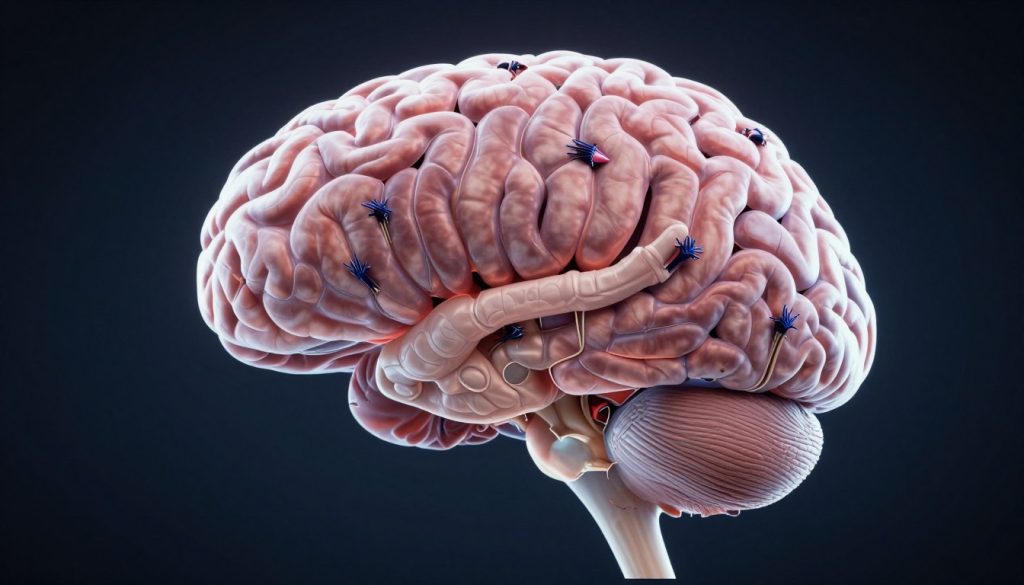
Imagine rewiring your brain to learn new skills quickly. Overcoming obstacles and achieving goals becomes easier. This is possible thanks to neuroplasticity, the brain’s amazing ability to adapt and change.
We’re excited to explore the world of brain plasticity. By understanding how our brains can change, we open up new possibilities for growth. This idea is changing how we view learning and self-improvement.
Key Takeaways
- Discover how neuroplasticity can improve your learning abilities.
- Learn practical tips to harness the power of brain plasticity.
- Understand the science behind neuroplasticity and its benefits.
- Explore how adapting your brain can lead to personal growth.
- Find out how to apply neuroplasticity principles in your daily life.
The Science of Neuroplasticity: How Your Brain Rewires Itself
Neuroplasticity is the brain’s power to make new connections. It shows that our brains can change, unlike what was once thought. This idea has changed how we see the brain and its ability to adapt.
Defining Neuroplasticity and Brain Adaptability
Neuroplasticity, or brain plasticity, means our brains can change because of what we experience. Our brains are not set in stone; they can grow and change.
The Concept of Neural Malleability
Our brain’s connections can change based on new experiences and learning. This ability to change is what makes our brains flexible.
How Experience Shapes Brain Structure
Our experiences, like learning something new or facing a tough situation, can change our brain. This happens by making some connections stronger and others weaker.
Historical Understanding vs. Modern Science
Oldly, people thought the brain stopped changing after a certain age. But today, we know the brain can change its structure at any age.
Types of Neuroplasticity: Functional and Structural
There are two main kinds of neuroplasticity. Functional neuroplasticity lets the brain change how it works. Structural neuroplasticity changes the brain’s actual structure.
| Type of Neuroplasticity | Description |
|---|---|
| Functional Neuroplasticity | The brain’s ability to change its activity patterns in response to new experiences or learning. |
| Structural Neuroplasticity | Changes in the brain’s physical structure, such as the growth of new neurons or the formation of new neural connections. |
Neuroplasticity: The Brain’s Remarkable Ability to Change
Neuroplasticity lets our brains change and adapt. It helps us learn and grow all our lives. This idea shows that our brains can change, not just when we’re young.
The Neuroscience Behind Brain Plasticity
Brain plasticity means our brains can change because of what we experience. When we learn something new, our brain makes new connections. This ability to adapt is something we have all our lives.
Debunking the “Fixed Brain” Myth
The idea that our brains can’t change is a myth. Studies prove our brains can reorganize themselves. This happens through growing new neurons and making connections stronger.
How Neuroplasticity Differs from Normal Brain Function
Normal brain function is just routine. But neuroplasticity lets our brains change and adapt. It’s about making new paths or changing old ones based on what we experience.
| Aspect | Normal Brain Function | Neuroplasticity |
|---|---|---|
| Neural Connections | Routine operation | Formation of new connections |
| Brain Structure | Stable | Adaptive change |
| Cognitive Ability | Routine performance | Improved through practice and learning |
The Neurobiological Mechanisms Behind Brain Plasticity
Our brains can change a lot, thanks to neuroplasticity. But what makes this possible? Let’s explore the amazing world of brain processes that allow for this adaptability.
Synaptic Plasticity: Strengthening Neural Connections
Synaptic plasticity changes how neurons connect. It’s key for learning and remembering things. Two main ways it happens are through Long-Term Potentiation (LTP) and Long-Term Depression (LTD).
Long-Term Potentiation (LTP)
LTP makes neural connections stronger. It’s like turning up the volume on a neural path, making signals travel easier. LTP is vital for learning and remembering new stuff.
Long-Term Depression (LTD)
LTD makes connections weaker. It’s not about feeling sad; it’s about making neural paths more efficient. It helps by reducing the strength of less-used paths.
Neurogenesis: Creating New Brain Cells
Neurogenesis is when new brain cells are made. Once thought to stop after birth, research shows it keeps going in adults. This is important for learning and memory, mainly in the hippocampus.
| Neurobiological Mechanism | Function | Impact on Brain Plasticity |
|---|---|---|
| Synaptic Plasticity | Strengthens or weakens neural connections | Enhances learning and memory |
| Neurogenesis | Creates new neurons | Increases brain’s adaptability and resilience |
| Pruning and Reorganization | Refines neural networks | Improves efficiency of neural communication |
Pruning and Reorganization of Neural Networks
As we learn and experience new things, our brains get better through pruning and reorganization. This process gets rid of connections we don’t need, making our brains more efficient.
The Remarkable Benefits of Neuroplasticity for Cognitive Function
Neuroplasticity brings many benefits to our brain, like better learning and memory. It also helps us solve problems more easily. By using neuroplasticity, we can make our brains more flexible and strong.
Enhanced Learning and Memory Formation
Our brains can learn new things and remember them thanks to neuroplasticity. It shows why we need to practice to get good at something. Neuroplasticity makes our brain connections stronger, helping us learn and remember better.
Improved Problem-Solving Abilities
Neuroplasticity helps us solve problems better. It lets our brain form new paths to tackle challenges. Cognitive flexibility, a key part of neuroplasticity, is important for solving problems.
Greater Cognitive Flexibility and Adaptability
Cognitive flexibility lets us change between tasks and learn new things. Neuroplasticity boosts this flexibility, making us more adaptable in our thinking.
Switching Between Tasks and Perspectives
With better cognitive flexibility, we can easily switch between tasks and see things from different angles. This makes us more versatile and effective in many areas of life.
Adapting to New Environments and Challenges
Neuroplasticity also helps us adjust to new situations and challenges. By changing our brain’s wiring, we can handle changes better. This makes us more resilient when things are uncertain.
Neuroplasticity Across the Lifespan: From Childhood to Old Age
Neuroplasticity is not just for kids; it’s a lifelong process. It shows our brains can change and adapt at any age. This idea goes against the old belief that our brains stop growing after a certain point.
Our brains stay flexible and can make new connections even in old age. This means we can keep learning and growing throughout our lives.
Critical Periods in Early Development
When we’re young, our brains are super flexible. This is why kids can learn languages so quickly. Their brains are very open to new experiences.
Adult Neuroplasticity: Challenging the Old Paradigm
As adults, we can still change our brains. We can learn new things, get better from injuries, and adjust to new situations. This shows that our brains don’t stop growing after we’re kids.
Maintaining Cognitive Health in Aging
As we get older, keeping our minds sharp is key. Preventing cognitive decline
Preventing Cognitive Decline
Doing things that challenge our minds can help keep our brains sharp. Reading, solving puzzles, and learning new skills are great ways to do this.
Reversing Age-Related Brain Changes
Some brain changes come with age, but we can slow them down. Exercise, brain training, and managing health can help. This means we can fight off some of the effects of aging.
Harnessing Neuroplasticity Through Mental Exercise
Mental exercises are key to using neuroplasticity. By adding certain activities to our daily routine, we boost our brain’s adaptability.
Brain Training Games and Their Effectiveness
Brain training games are popular for improving cognitive skills. But do they really work? Research shows that some brain training programs can enhance memory, attention, and speed.
Digital Apps vs. Traditional Cognitive Exercises
Digital apps make brain training easy and accessible. Yet, traditional puzzles and brain teasers are also effective. The important thing is to find activities that challenge and engage your brain.
Evidence-Based Brain Training Methods
Some brain training methods are scientifically proven. For example, programs that improve attention and working memory have shown great results. It’s crucial to pick programs based on solid research.
Learning New Skills and Languages
Learning a new skill or language is a great way to use neuroplasticity. This process challenges the brain and creates new connections. Whether it’s a new language, a musical instrument, or a hobby, learning stimulates brain plasticity.
Meditation and Mindfulness Practices
Meditation and mindfulness are good for neuroplasticity. Regular mindfulness can change brain structure and function, improving flexibility and emotional control. A study found that mindfulness changes brain gray matter and connectivity.
“The brain is a dynamic, plastic system that can be transformed through practice and experience.”
By adding these mental exercises to our daily lives, we can tap into neuroplasticity and boost brain health.
Physical Activity: A Powerful Driver of Neuroplasticity
Exercise is great for your body and brain. It helps grow new brain connections and keeps your brain healthy. By knowing how exercise boosts brain growth, we can make our brains more adaptable.
How Exercise Stimulates Brain Growth
Exercise makes our brain release helpful chemicals. BDNF (Brain-Derived Neurotrophic Factor) and other growth factors are among them. These chemicals strengthen brain connections and help grow new neurons.
The Role of BDNF and Other Growth Factors
BDNF is key for changing brain connections. Exercise increases BDNF, helping our brain adapt and change. Dr. John Ratey says, “Exercise is a powerful tool for building cognitive reserve and promoting brain health.”
“Exercise is a powerful tool for building cognitive reserve and promoting brain health.” – Dr. John Ratey
Cardiovascular Benefits for Brain Health
Exercise also boosts heart health. This ensures our brain gets the oxygen and nutrients it needs. This heart benefit is linked to better thinking and lower risk of brain diseases.
Optimal Exercise Types for Cognitive Enhancement
Some exercises are better for the brain. Aerobic activities like running or cycling boost BDNF and neuroplasticity. Strength training and HIIT also improve brain function.
Creating an Exercise Routine for Brain Health
For brain benefits, do at least 30 minutes of moderate exercise daily. Mix different exercises to keep it interesting and challenge your brain. Regular exercise will improve your physical and mental health.
Nutrition and Dietary Factors That Promote Neuroplasticity
The food we eat is key to brain health and neuroplasticity. Certain foods can greatly improve our thinking and learning. This shows how important diet is for our brain’s ability to adapt.
Brain-Boosting Foods and Nutrients
Eating foods rich in omega-3 fatty acids like salmon and walnuts is good for the brain. Also, eating many fruits and vegetables with antioxidants helps protect the brain. This makes the brain healthier.
The Impact of Omega-3 Fatty Acids and Antioxidants
Omega-3 fatty acids help the brain work better and stay flexible. Antioxidants in berries and leafy greens fight off brain damage. These nutrients help the brain grow and change.
Intermittent Fasting and Ketogenic Approaches
Intermittent fasting and ketogenic diets boost neuroplasticity. They change how the body uses energy, which is good for the brain.
Metabolic Switching and Neural Growth
When we fast or eat a ketogenic diet, our body changes how it gets energy. This change helps the brain grow and become more adaptable.
Practical Implementation of Brain-Healthy Eating
To make these diets part of your life, start with meal planning that includes brain-healthy foods. Slowly change your diet to include fasting or eat fewer carbs for a ketogenic diet.
Sleep: The Unsung Hero of Neuroplasticity
Our brains can change and adapt, thanks to neuroplasticity. Sleep plays a big role in this process. It’s not just rest; it’s key for brain health.
Consolidating Learning and Memory
Sleep helps solidify what we learn and remember. It strengthens neural connections in our brains. This makes it easier to recall memories and learn new things.
The Neuroplastic Processes During Different Sleep Stages
Each sleep stage has its own role in brain health. Knowing about these stages helps us understand sleep’s importance.
REM Sleep and Emotional Processing
REM sleep is when our brains are active, like when we’re awake. It’s when we process emotions and memories.
Slow-Wave Sleep and Memory Consolidation
Deep sleep, or slow-wave sleep, is vital for memory. It’s when our brains solidify memories, moving them from short-term to long-term storage.
Optimizing Sleep for Enhanced Brain Plasticity
To get the most from sleep, we need to improve its quality. This means sticking to a sleep schedule, creating a cozy sleep space, and avoiding caffeine at night. Good sleep boosts our brain’s ability to adapt and change.
Neuroplasticity in Healing and Recovery
The brain’s ability to change itself through neuroplasticity brings hope to those recovering from brain injuries and mental health issues. This power helps us create better ways to heal and improve mental health.
Brain Injury Rehabilitation and Stroke Recovery
Neuroplasticity is key in the brain’s recovery from injuries. It allows the brain to make new connections, helping it work around damaged areas. This is vital for stroke recovery and rehabilitation.
Constraint-Induced Movement Therapy
Constraint-Induced Movement Therapy is a powerful tool in brain injury rehab. It involves keeping the good limb still to make the affected limb work harder. This helps the brain reorganize and recover.
Cognitive Rehabilitation Techniques
Cognitive rehab uses neuroplasticity to boost brain function. Techniques like memory training and attention exercises help people regain lost skills. They adapt to their condition better.
Overcoming Learning Disabilities and Cognitive Impairments
Interventions based on neuroplasticity can help with learning disabilities and cognitive issues. They target specific brain paths to improve function and learning abilities.
Neuroplasticity-Based Approaches to Mental Health Treatment
Neuroplasticity is also being looked at for mental health treatments. Mindfulness and cognitive-behavioral therapy can change the brain. They help reduce anxiety and depression symptoms.
By tapping into neuroplasticity, we can create more effective treatments for mental health. This improves well-being and quality of life.
Practical 30-Day Plan to Enhance Your Neuroplasticity
Let’s start a month-long journey to boost your brain’s power. By adding simple habits to your daily routine, you can improve your brain’s flexibility and health.
Week 1: Establishing Foundational Habits
The first week is about setting the stage for your brain journey. Start with small, easy changes that you can keep up all month.
Daily Brain Exercises and Routines
Start with simple brain games like memory games or puzzles for 10-15 minutes each day. It could be as simple as remembering a shopping list or doing a crossword.
Setting Up Your Environment for Success
Make your space better for learning and challenges. This might mean cleaning your desk, setting up a brain training area, or using apps for brain games.
| Day | Activity | Duration |
|---|---|---|
| 1-2 | Memory Game | 10 minutes |
| 3-4 | Puzzle Solving | 15 minutes |
| 5-7 | Learning a New Skill | 20 minutes |
Week 2: Introducing Cognitive Challenges
By the second week, you’re ready for bigger brain challenges. Try more complex puzzles, learn a new language, or start a new hobby that needs problem-solving.
Week 3: Advancing Your Brain Training
In the third week, keep pushing your brain with harder exercises or new activities. This will challenge different parts of your brain.
Week 4: Integrating and Maintaining Your Neuroplasticity Practice
By the last week, you’ve built a strong routine. Now, focus on making these habits part of your daily life and keeping them up long-term.
By sticking to this 30-day plan, you’ll not only boost your neuroplasticity but also create a lasting brain benefit routine. Remember, it’s all about being consistent and patient.
Conclusion: Embracing the Lifelong Journey of Brain Transformation
Neuroplasticity is a powerful tool for personal growth and change. It shows how our brains can rewire and adapt. This opens up new ways for learning and growth.
Starting a lifelong journey of brain transformation means always learning and improving. This journey is open to anyone, at any age. It’s a mindset you can adopt anytime.
Using neuroplasticity can make our brains better, improve our mental health, and boost our well-being. There are many ways to support brain health. These include mental exercises, physical activity, and healthy eating.
Remember, every small step you take helps make your brain stronger and more adaptable. Stay curious, keep learning, and unlock your brain’s incredible potential.