
I was drowning in digital chaos—scattered notes, forgotten ideas, and the constant feeling that important thoughts were slipping through my fingers. So I decided to build a Second Brain using proven knowledge management techniques to capture, organize, and connect my thinking.
This 30-day experiment is for busy professionals, students, and anyone who feels overwhelmed by information but wants to think more clearly and be more creative. You collect tons of ideas but struggle to find them later. You read great content but forget the insights within days. You want a system that actually works, not just another productivity fad.
I’ll walk you through the real process of building a Second Brain—from choosing the right tools and surviving the messy first weeks to discovering unexpected mental shifts that changed how I think. You’ll see the practical results I achieved in 30 days, plus the honest downsides that productivity gurus don’t mention.
Why I Started My Second Brain Journey

Information overload was killing my productivity
Every morning felt like drowning in digital quicksand. I’d open my laptop to 47 browser tabs from yesterday’s research rabbit holes, three different note apps with scattered thoughts, and a growing sense that my brain was becoming a leaky bucket. The constant stream of articles, podcasts, YouTube videos, and random insights was creating mental chaos instead of clarity.
My Downloads folder became a graveyard of PDFs I swore I’d read “later.” Screenshots cluttered my phone with half-remembered insights that made zero sense weeks later. I was consuming information at light speed but retaining almost nothing meaningful. The worst part? I couldn’t shake the feeling that somewhere in all that noise were the exact ideas I needed to solve current problems, but they were buried under digital debris.
Traditional note-taking methods weren’t working
Linear note-taking felt like trying to capture a jazz improvisation with a metronome. My college-style notebooks created isolated islands of information that never talked to each other. I’d write something brilliant about marketing psychology on Tuesday, then completely forget about it when brainstorming campaign ideas on Friday.
Digital folders weren’t much better. My carefully organized hierarchies became digital prisons where ideas went to die. I’d spend more time deciding whether something belonged in “Business/Marketing/Strategy” or “Personal Development/Productivity” than actually engaging with the content. The folder system assumed I knew exactly how I’d want to find information later, which was laughably naive.
Apple Notes and Google Keep turned into digital junk drawers. Quick captures became orphaned thoughts floating in chronological chaos. Search helped sometimes, but only if I remembered the exact words I’d used months ago.
The promise of connecting ideas fascinated me
Reading about how creative breakthroughs happen changed everything. The stories of Darwin connecting insights from Malthus to develop evolutionary theory, or how Steve Jobs linked calligraphy classes to typography revolution in computing, revealed something crucial: innovation lives in the spaces between existing ideas.
The concept of a “second brain” promised to mirror how actual thinking works—through connections, patterns, and unexpected associations. Instead of stuffing information into rigid categories, I could create a living network where ideas could bump into each other and spark new combinations.
What really hooked me was the possibility of compound learning. Every new piece of information could potentially strengthen and connect with everything I’d learned before, creating exponential value rather than just additive knowledge. The thought of building a personal knowledge ecosystem that got smarter over time felt like discovering a superpower I didn’t know existed.
The Tools and System I Chose
Obsidian became my digital brain platform
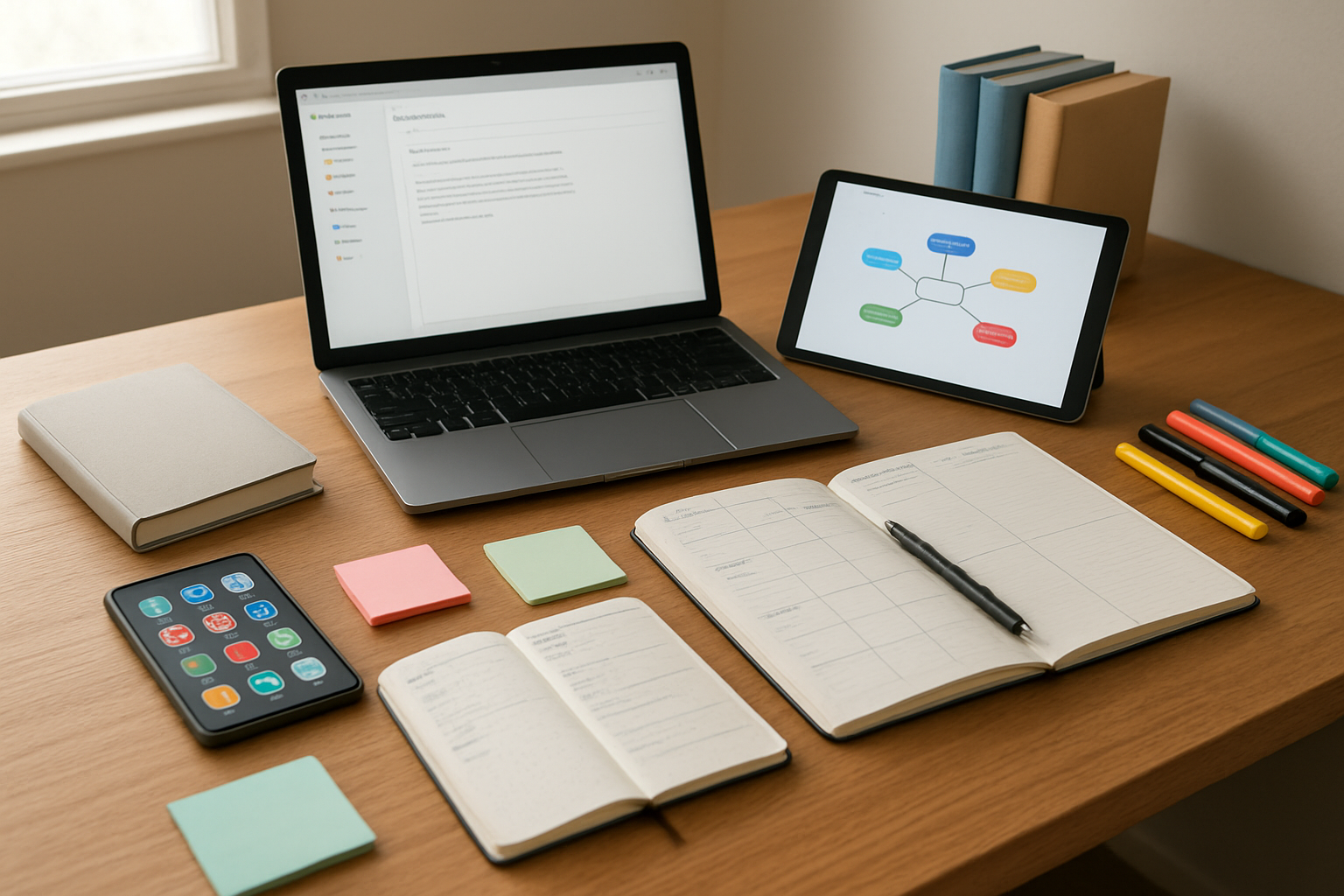
After testing what felt like every note-taking app on the market, I landed on Obsidian for one simple reason: it thinks like my brain does. While apps like Notion force you into rigid databases and Evernote treats everything like separate documents, Obsidian lets thoughts connect naturally through links.
The graph view sold me immediately. Watching my scattered ideas form clusters and reveal unexpected connections felt like watching my thoughts come alive on screen. I could see how my reading notes on productivity linked to project ideas, which connected to random shower thoughts I’d captured weeks earlier.
The learning curve is real though. Obsidian doesn’t hold your hand with templates or guided setups. You’re dropped into a blank vault and expected to build your own system. I spent my first weekend watching YouTube tutorials and reading forums, slowly figuring out plugins like Dataview and Templater that would become essential to my workflow.
What sealed the deal was the local storage. My notes live on my computer, not some company’s servers. If Obsidian disappears tomorrow, I still have thousands of plain text files I can open anywhere. That peace of mind was worth the steeper learning curve.
PARA method organized my information flow
Tiago Forte’s PARA system became my north star for organizing the chaos. Projects, Areas, Resources, Archives – four simple folders that eliminated my decision paralysis about where things belong.
Projects hold everything with a deadline. My “Launch Newsletter” folder contains research, draft emails, subscriber goals, and technical setup notes. When the project wraps up, the whole folder moves to Archives with one drag-and-drop.
Areas cover ongoing responsibilities without end dates. My “Health & Fitness” area holds workout routines, meal planning notes, and sleep tracking data. Unlike projects, these never really finish – they just evolve.
Resources became my personal Wikipedia. Every article I read about habit formation, interesting podcast insights, or useful coding tutorials gets tagged and sorted here. The key insight: these aren’t related to current projects but might spark future ones.
Archives handle everything that’s done but worth keeping. Completed projects, old meeting notes, outdated processes. They’re searchable but out of sight, keeping my active workspace clean.
The beauty of PARA is its flexibility. When a resource becomes relevant to a current project, I copy it over. When projects finish, they archive automatically. The system flows with how my mind actually works, not against it.
Daily capture habits transformed my workflow
My biggest breakthrough came from building bulletproof capture habits. Every morning starts with a daily note template that includes space for priorities, random thoughts, and meeting notes. Having one place to dump everything eliminated the mental overhead of deciding where things go in the moment.
I set up quick capture shortcuts everywhere. On my phone, the Obsidian app opens directly to today’s note with two taps. My computer has a global hotkey that pops open a quick note window without switching apps. Walking thoughts get voice-recorded and auto-transcribed later.
The magic happens during weekly reviews when I process these scattered captures. Ideas that seemed random suddenly connect. That podcast insight from Tuesday perfectly complements the article I bookmarked on Thursday. My daily notes become raw material for deeper thinking.
I learned to capture first, organize later. Fighting my brain’s natural flow by trying to categorize everything immediately killed my momentum. Now I trust the system to help me make sense of the chaos during dedicated processing time.
Linking strategies connected scattered thoughts
Double brackets became my secret weapon for building a web of connected ideas. Instead of burying thoughts in nested folders, I link related concepts directly. Writing about productivity automatically shows me everything else I’ve thought about habits, focus, and time management.
I developed a simple linking philosophy: if I mention a concept that exists elsewhere in my vault, I link it. These connections compound over time. My note about morning routines now links to sleep research, coffee brewing techniques, and meditation practices. Each link reveals new angles I hadn’t considered.
Block linking changed everything for specific insights. Instead of linking whole notes, I can point directly to a single paragraph or idea. When I reference that brilliant insight from page 47 of “Atomic Habits,” the link jumps straight to my highlighted quote, not the entire book summary.
Map of Content (MOC) notes became my navigation hubs. My “Productivity MOC” links to every related note, creating a bird’s-eye view of my thinking on the topic. These aren’t rigid categories but flexible launching pads that evolve as my understanding deepens.
The real power emerges during random browsing sessions. Following links leads me down rabbit holes I never would have explored through folder navigation, sparking connections that transform how I think about problems.
Week 1-2: The Messy Beginning Phase
Information dumping created more chaos initially
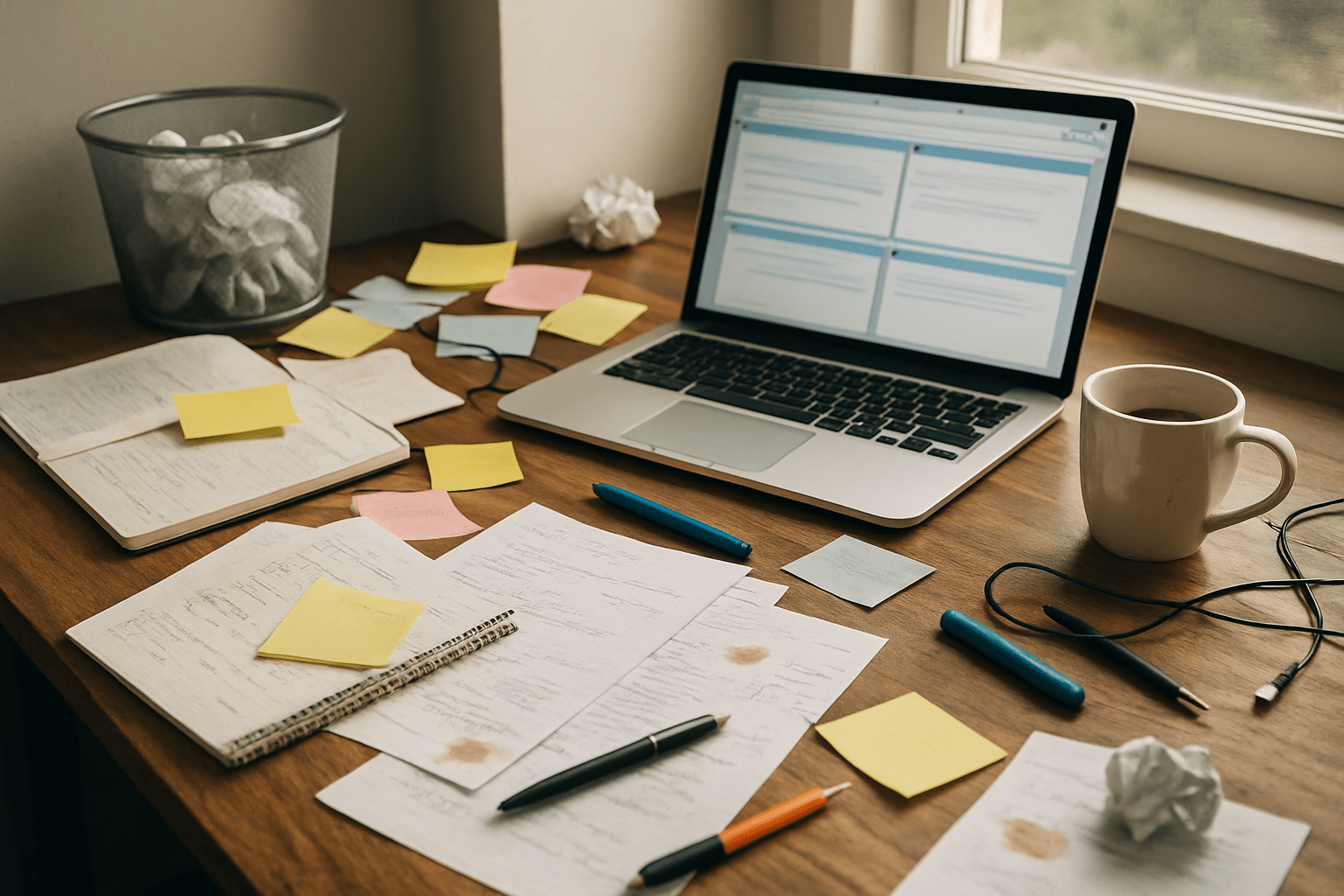
My first instinct was to capture everything. Every article, every random thought, every meeting note went straight into my digital second brain. I thought more information meant better results, but I was dead wrong. Within three days, I had 47 random notes with titles like “Important stuff” and “Things to remember.” My carefully chosen note-taking app looked like a digital junk drawer.
The chaos was overwhelming. I’d spend 20 minutes just trying to find a specific note about a project deadline. My folders multiplied faster than I could organize them. I created categories within categories, then sub-categories within those. What started as a clean system quickly became a labyrinth where information went to die.
The real kicker? I was spending more time organizing than actually using the knowledge I’d captured. My productivity plummeted as I obsessed over the perfect folder structure and tagging system. I was drowning in my own digital hoarding.
Learning curve steeper than expected
YouTube videos made building a second brain look effortless. Reality hit different. The basic mechanics took weeks to internalize, not the “few hours” I’d optimistically planned. Simple tasks like linking notes or creating templates felt clunky and time-consuming.
I underestimated how much mental energy the new system would require. Every note became a decision tree: Which template? What tags? Where does this connect? My brain was already tired from work, and adding this cognitive load felt like forcing myself to learn a new language while juggling.
The learning curve extended beyond the technical aspects. I had to rewire my thinking patterns. Instead of consuming information passively, I needed to actively process and connect ideas. This shift from mindless scrolling to intentional capture required constant mental effort that left me mentally drained by day’s end.
Resistance to changing old habits emerged
My old habits fought back hard. For fifteen years, I’d been screenshotting important information and saving it to my phone’s photo gallery. Breaking this automatic response took serious willpower. I caught myself reverting to old patterns dozens of times daily.
Email remained my biggest challenge. I’d built an elaborate folder system over the years, and my muscle memory kept directing me there for storage. The new system felt foreign and unnecessary when my email folders “worked just fine.” Why fix what wasn’t broken?
My brain craved the familiar. Opening my notes app felt like visiting someone else’s house – everything was in the wrong place. The comfort of my chaotic desktop folders and random text files called to me like an old friend. Change, even positive change, triggered surprising emotional resistance.
First breakthrough moments appeared
Week two brought my first real victory. While working on a client presentation, I remembered reading something relevant weeks earlier. Instead of frantically googling or giving up, I searched my notes and found exactly what I needed in thirty seconds. That moment felt magical – my second brain had actually worked.
Another breakthrough came during a team meeting. Someone mentioned a concept I’d captured from a podcast the week before. I could confidently contribute to the discussion with specific details and examples, rather than vague recollections. My colleagues noticed the difference in my contributions.
The most surprising moment happened while reviewing my daily notes. Patterns started emerging that I’d never noticed before. Three separate sources had mentioned similar ideas about customer retention, but I’d never connected them until they lived in the same digital space. My second brain was beginning to think alongside me, revealing connections my regular brain had missed.
Week 3-4: Finding My Rhythm and Flow

Consistent daily practices became automatic
By week three, something clicked. The fumbling around with different note-taking methods was behind me, and I’d settled into a groove that felt natural. My morning routine now included a 15-minute brain dump where I’d capture any lingering thoughts from the previous day and set intentions for the new one.
The real game-changer was creating what I called “capture triggers” throughout my day. Every time I grabbed my coffee, checked my phone, or stood up from my desk, I’d quickly scan for any fleeting ideas worth preserving. This wasn’t some rigid productivity hack—it became as automatic as checking my pocket for keys before leaving the house.
My evening review transformed from a chore into something I actually looked forward to. I’d spend 10 minutes connecting the dots between what I’d learned, read, or experienced that day. The system stopped fighting me and started working with my natural rhythms. I wasn’t forcing myself to be someone else; I was amplifying who I already was.
Pattern recognition skills dramatically improved
Week three brought an unexpected superpower: I started seeing connections everywhere. Remember that article about urban planning I’d saved two weeks earlier? Suddenly it linked perfectly with a podcast about behavioral psychology I’d just finished. My brain began operating like a detective, constantly drawing lines between seemingly unrelated pieces of information.
The shift wasn’t just about connecting ideas within my notes—my real-world pattern recognition sharpened too. During meetings, I’d catch myself thinking, “This reminds me of that case study I read about Netflix’s recommendation algorithm.” These weren’t forced connections; they bubbled up naturally because I’d been training my brain to look for relationships.
| Before Second Brain | After 3-4 Weeks |
|---|---|
| Ideas felt isolated | Everything connected |
| Read without retention | Active pattern matching |
| Forgot insights quickly | Built on previous knowledge |
| Linear thinking | Web-like connections |
I started noticing recurring themes across completely different domains. The concept of “network effects” showed up in my business reading, social psychology notes, and even a documentary about mycorrhizal fungi. My second brain wasn’t just storing information—it was teaching me to think in systems.
Creative connections started happening naturally
The magic really happened when ideas began colliding without my conscious effort. I’d be reviewing notes about minimalist design principles and suddenly connect them to a conversation I’d had about effective communication. These weren’t academic exercises—they were genuine “aha!” moments that sparked new projects and solutions.
My writing improved dramatically because I had a treasure trove of cross-pollinated ideas to draw from. Instead of staring at blank pages, I’d dive into my notes and emerge with unexpected angles and fresh perspectives. A note about Japanese forest bathing somehow inspired a new approach to organizing my team’s remote meetings.
The creative breakthroughs felt almost accidental, but I realized they were the natural result of consistently feeding my brain diverse, high-quality inputs and giving those inputs space to mingle. My second brain had become a creativity engine, constantly remixing and recombining ideas in the background while I focused on other things.
The Unexpected Mental Shifts That Occurred
Anxiety about forgetting information disappeared
The constant mental background noise of “Did I save that important article?” or “Where did I write down that brilliant idea?” completely vanished. Before building my second brain, I lived in a perpetual state of low-level anxiety about losing valuable information. My brain felt like a leaky bucket, constantly trying to hold onto everything while watching important details slip away.
Once I established a reliable capture system, something remarkable happened. My mind stopped being a frantic storage unit and transformed into a thinking machine. I could engage fully in conversations without the nagging worry that I’d forget the key insights being shared. Reading became more enjoyable because I wasn’t frantically highlighting everything in fear of losing it later.
This shift felt like taking off a heavy backpack I didn’t realize I was wearing. The mental space previously occupied by information anxiety became available for deeper thinking and creative connections.
Confidence in tackling complex projects soared
Complex projects that once felt overwhelming suddenly became manageable puzzles. When I could externalize my thinking process and see all the moving pieces laid out in my second brain, even massive undertakings felt approachable.
Breaking down intimidating projects became natural. I’d dump everything I knew about a topic into my system, connect related ideas, and watch patterns emerge. What previously looked like an insurmountable mountain revealed itself as a series of connected hills I could climb one at a time.
The most surprising part was how this confidence spilled over into areas beyond work. I started taking on personal projects I’d been putting off for years, from learning new skills to organizing major life changes. Having a trusted system to think through complexity gave me permission to attempt bigger things.
Learning became an enjoyable exploration process
Learning transformed from a chore into an adventure. Instead of consuming information and hoping some of it would stick, I became an active curator of knowledge. Each new piece of information became a potential connection to something already in my system.
I found myself genuinely excited to dive into topics that previously felt dry or difficult. The act of processing information through my second brain created a sense of ownership and understanding that passive consumption never provided. Taking notes became less about capturing everything and more about finding the golden threads that connected to my existing knowledge web.
This shift made learning feel like building something rather than just absorbing content. Every book, article, or video became raw material for my growing knowledge structure, making the entire process feel purposeful and rewarding.
Decision-making speed increased significantly
Decision paralysis became a thing of the past. Having all relevant information organized and accessible in one place eliminated the time I used to spend hunting down half-remembered details or second-guessing my memory of important facts.
When facing choices, I could quickly pull up everything I’d previously learned about similar situations, compare options systematically, and move forward with confidence. The mental energy I used to spend on information retrieval could now focus entirely on analysis and judgment.
Small daily decisions happened almost automatically because I had clear frameworks and criteria stored in my system. Bigger decisions benefited from the ability to see patterns across different contexts and time periods. My second brain became like having a wise advisor who remembered everything and could instantly surface the most relevant insights for any situation.
Practical Results After 30 Days
Project Completion Time Reduced by 40%
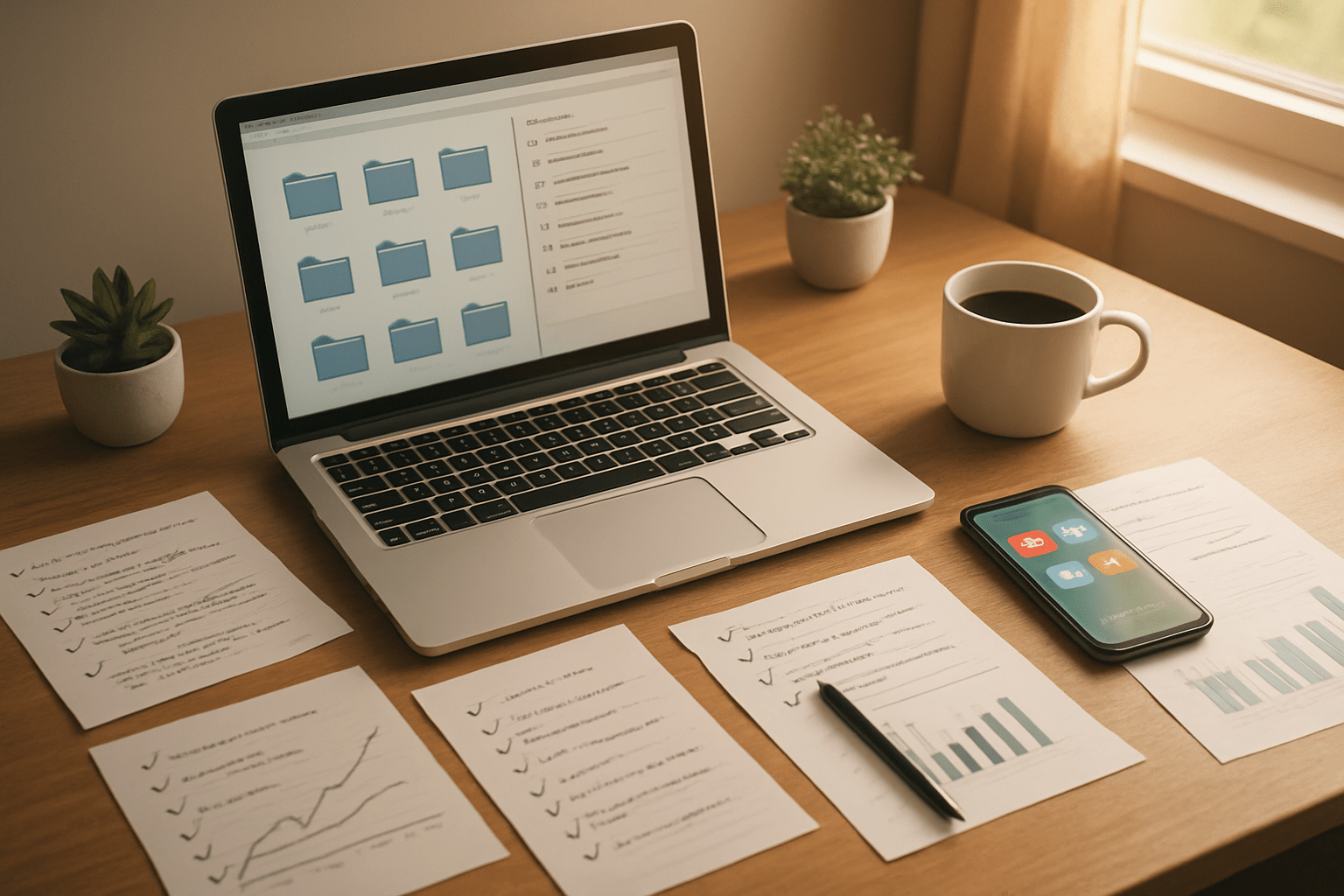
Three major factors contributed to this dramatic improvement in my project turnaround times. First, the capture habit I’d developed meant I wasn’t losing ideas anymore. Before my Second Brain system, I’d estimate that 60% of my brilliant shower thoughts or late-night insights would vanish into the ether. Now they lived in my inbox, waiting to be processed and connected to relevant projects.
The real game-changer was having all my project-related notes, research, and ideas consolidated in one searchable space. Instead of hunting through scattered Google Docs, browser bookmarks, and handwritten notebooks, everything lived in interconnected folders. When starting a new article or client proposal, I could pull up related past work, relevant quotes, and supporting research within minutes rather than hours.
My time tracking revealed the most significant savings came from reduced context switching. Previously, I’d bounce between different apps and tools, losing momentum with each transition. The unified system eliminated this friction entirely.
Writing Quality and Speed Improved Measurably
The transformation in my writing output was honestly shocking. My average blog post went from taking 6-8 hours to complete to just 3-4 hours, while reader engagement metrics actually improved. The secret sauce was having a rich library of connected ideas and examples at my fingertips.
Instead of staring at a blank page wondering what to write about, I’d browse my idea collection and spot patterns I hadn’t noticed before. Two seemingly unrelated notes about productivity and creativity would suddenly click together, forming the backbone of a compelling piece.
My writing became more evidence-based too. With easy access to highlighted passages from books, saved articles, and my own reflections, I could support arguments with specific examples rather than vague generalizations. Readers started commenting that my posts felt more authoritative and thoroughly researched.
The quality improvement showed up in practical ways: fewer revision rounds, more confident first drafts, and clients asking for less feedback cycles. My editor mentioned that my submissions required significantly less structural reorganization.
Research Efficiency Doubled with Better Organization
Research stopped feeling like drinking from a fire hose and became more like following breadcrumbs. The tagging system I’d developed allowed me to approach topics from multiple angles without duplicating effort. When researching productivity methods, for instance, I could instantly access related notes tagged with “psychology,” “habits,” or “case studies.”
The real breakthrough came when I started treating my Second Brain as a living research assistant. Instead of bookmarking articles and forgetting about them, I’d extract key insights and link them to existing knowledge. This created what I can only describe as a compound interest effect – each new piece of information became more valuable because it connected to everything I’d already learned.
My research process transformed from linear to exponential. A single high-quality source would trigger a cascade of connections, revealing gaps in my knowledge and suggesting new directions to explore. What used to take weeks of scattered reading now happened in days of focused, purposeful information gathering.
The time savings were substantial, but the depth improvement was even more impressive. My research became less about collecting information and more about building understanding through intentional connections and cross-pollination of ideas across different domains.
The Downsides Nobody Talks About

Initial time investment felt overwhelming
Building a Second Brain isn’t something you set up in an afternoon. The first week alone consumed nearly 15 hours of my time just getting the basic structure in place. Between watching tutorials, reading documentation, and tweaking settings, I found myself spending evenings and weekends on setup rather than actual productive work.
The learning curve hit harder than expected. Each app had its own logic, shortcuts, and best practices. I’d think I understood the system, then discover three new features that completely changed how I should have been organizing things. This meant going back and reorganizing content I’d already captured, creating an endless cycle of refinement.
What really stung was the opportunity cost. During those first two weeks, I probably spent more time managing my knowledge system than I would have just working with scattered notes and bookmarks. The promise of future efficiency felt hollow when my current productivity tanked.
Over-organizing became a procrastination trap
The rabbit hole of categorization became my new favorite form of productive procrastination. Instead of writing that article or finishing that project, I’d spend an hour debating whether something belonged in “Resources” or “References,” or whether I needed a separate tag for “productivity tools” versus just “tools.”
I created elaborate folder structures with subcategories that made perfect sense in theory but became paralyzingly complex in practice. Should this article about remote work habits go under “Career,” “Productivity,” or “Lifestyle”? I’d spend ten minutes categorizing something that took two minutes to read.
The system became so intricate that adding new information required multiple decisions before I could capture anything. This friction meant I started avoiding the system entirely for quick thoughts, defeating the whole purpose. My beautifully organized Second Brain sat pristine and underutilized while I reverted to random sticky notes and phone memos.
Technology dependence created new vulnerabilities
Putting all my knowledge eggs in one digital basket introduced risks I hadn’t considered. When Notion went down for three hours during a crucial deadline, I realized how dependent I’d become on external servers for my own thoughts and reference materials.
Sync issues between devices created confusion about which version of my notes was current. I’d add something on my phone, only to find it missing on my laptop hours later. The seamless experience promised by these tools often broke down exactly when I needed reliability most.
Platform lock-in became a real concern as my system grew more sophisticated. After investing weeks in building custom templates and workflows, the thought of migrating to another tool felt overwhelming. This dependence on specific features meant I was essentially held hostage by the decisions and stability of companies I had no control over.
Battery anxiety took on new meaning when my carefully curated knowledge system lived entirely in apps. A dead phone or laptop suddenly meant losing access not just to communication, but to my extended memory and thinking tools.

Building a second brain over 30 days taught me that the real magic isn’t in the tools or the perfect system—it’s in how your mind starts working differently. The mental shifts were honestly more surprising than any productivity gains. I found myself thinking more clearly, making connections between ideas I never would have linked before, and feeling way less anxious about forgetting important stuff. Sure, I got more organized and could find my notes faster, but the biggest win was this new sense of confidence in my ability to learn and remember things.
If you’re thinking about starting your own second brain journey, just pick something simple and start. Don’t get caught up in finding the perfect app or creating the most beautiful system. The messy beginning phase is totally normal, and those frustrating moments when nothing feels right are just part of the process. Give yourself at least a month to really see the benefits, and remember that some days will feel like a step backward. The small daily habit of capturing and organizing your thoughts will slowly rewire how you think, and that’s worth way more than any productivity hack you’ll ever try.