
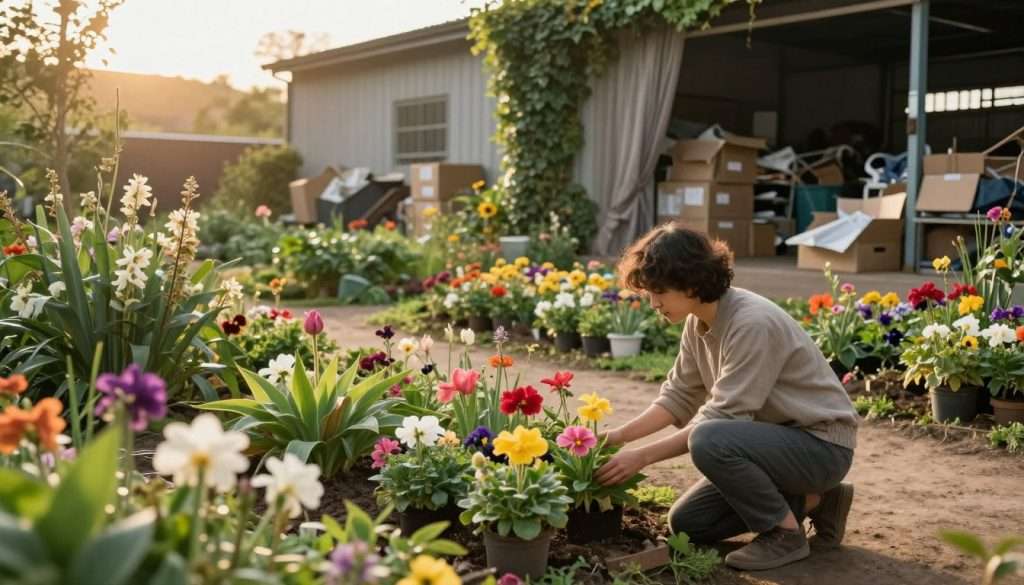
Do you feel like your brain is just a dusty storage unit? We often fill our minds with endless tasks and worries. It’s time to see things differently.
Let’s learn how to treat your mind like a garden, not a warehouse. View your thoughts as living things that need care and space to grow.
Cultivating your inner life means giving it care, not just adding more stuff. When you change your view, you feel less cluttered and more alive. You deserve a mental space that’s peaceful, not crowded.
Key Takeaways
- Shift from a storage-based mindset to an ecosystem approach.
- Prioritize mental space to prevent feeling overwhelmed by daily tasks.
- Nurture your thoughts with intentional care and regular pruning.
- Create a sanctuary that fosters creativity and peace.
- Replace the pressure of accumulation with the joy of growth.
The Philosophy of the Mind Garden
Think of your thoughts as a living, vibrant ecosystem, not just a bunch of boxes in a dark room. We often see our brains as simple storage units, which limits our true potential. By adopting the idea of a mind garden, we can change how we process information and deal with daily stress.
Understanding the Warehouse Mentality
The warehouse mentality treats our brains like a giant filing cabinet. We rush to store tasks, facts, and deadlines, hoping to keep everything organized for later. This often leads to mental clutter and a frantic race to finish endless to-do lists.
When we focus only on storage, we miss the beauty of learning. We feel exhausted because we’re trying to “file” every thought instead of letting ideas breathe. This rigid structure makes studying feel like a chore, not an adventure.
“Nature does not hurry, yet everything is accomplished.”
The Shift Toward Organic Growth
Shifting to an organic growth model lets us stop hoarding information and start nurturing the mind. Instead of forcing facts into cold storage, we give ideas space to grow naturally. This change makes learning sustainable and enjoyable.
When we treat our brain like a garden, we focus on health and patience over raw output. We learn to water our interests and prune away distractions. This intentional approach keeps our mental landscape fertile and ready for new growth.
| Feature | Warehouse Mentality | Mind Garden Approach |
|---|---|---|
| Primary Goal | Storage and Filing | Growth and Nurturing |
| Mental State | Cluttered and Stressed | Clear and Resilient |
| Learning Style | Forced Memorization | Organic Exploration |
| Outcome | Mental Exhaustion | Sustainable Wisdom |
By choosing to cultivate your thoughts, you create a space for creativity to flourish. Remember, nurturing the mind is a lifelong practice that rewards you with clarity. Start building your own mind garden today and watch how your perspective on learning blooms.
How to Treat Your Mind Like a Garden, Not a Warehouse
Imagine your thoughts as flowers, not boxes stacked high. Many see their brains as storage for facts and lists. This makes it hard to find what we need.
Changing how we view our minds is key to clarity. A garden needs care, unlike a warehouse. By seeing our minds as gardens, we nurture our potential.
Recognizing the Difference Between Storage and Growth
Storage keeps things static. You put an idea in a box and forget it. Growth is about change and movement.
Nurturing a mind garden lets ideas grow and evolve. It’s not just memorizing; it’s connecting and understanding. This turns data into useful wisdom.
Why Your Mind Needs Space to Breathe
Ever felt overwhelmed by too much information? This happens when your mind is full of clutter. Your thoughts need space to grow, just like a garden.
Removing stress and worries lets your creativity shine. Pausing is not a waste; it’s vital for a healthy mind.
Clearing the Weeds of Negative Thought Patterns
Starting a mental health garden means spotting unwanted weeds. Just as weeds can harm your flowers, negative thoughts can hold you back. To let your mind grow, you must be ready to work hard.
Identifying Invasive Mental Weeds
These mental weeds often whisper doubts or harsh words. They hide in our fears, making it hard to see our potential. Look out for these signs:
- Constant self-doubt that makes you question your abilities.
- The habit of comparing your behind-the-scenes life to everyone else’s highlight reel.
- Persistent negative self-talk that sounds like a critic living in your head.
- Unwanted behaviors that keep you stuck in a loop of procrastination.
Techniques for Rooting Out Limiting Beliefs
Spotting these weeds means it’s time to act. You can’t ignore them, as they spread fast. Use these strategies to grow healthy thought patterns.
The Practice of Cognitive Reframing
Cognitive reframing changes your view. When a negative thought comes up, question it. Look for a more empowering way to see things. This turns a dead-end thought into a chance for growth.
Journaling as a Tool for Extraction
Journaling is like a garden trowel for your mind. It helps you dig up deep beliefs. Writing down your thoughts weakens them. This lets you see your fears clearly and replace them with better ideas.
Preparing the Soil for Mental Resilience
Think of your mind as a living landscape that needs constant care to stay vibrant. You can’t grow a beautiful mental health garden if the soil is poor. Just like a gardener prepares the earth, you must prepare your mind for growth.
The Importance of Foundational Self-Care
Mental self-care isn’t just about relaxing or treating yourself. It’s about daily habits that feed your brain. Without these basics, your mental strength weakens under daily stress.
“The groundwork of all happiness is good health.” — Leigh Hunt
Creating a Nutrient-Rich Environment
To grow a strong mind, create an environment that supports your well-being. This means choosing what you consume carefully. A rich environment helps you face challenges with ease.
Prioritizing Sleep and Physical Health
Your body is where your mind lives. Without enough rest, your mind gets cloudy. To keep your mental self-care strong, focus on these key areas:
- Consistent Sleep: Aim for 7-9 hours to let your brain heal.
- Balanced Nutrition: Eat whole foods for steady energy.
- Regular Movement: Exercise boosts mood and stress relief.
Setting Boundaries to Protect Your Mental Space
Boundaries are like a fence for your mental health garden. Without them, stress and digital noise can harm you. You have the right to say no to things that drain you.
Protecting your time and energy keeps you strong. Setting boundaries is not selfish; it’s essential. When you protect your peace, your mind can grow and thrive.
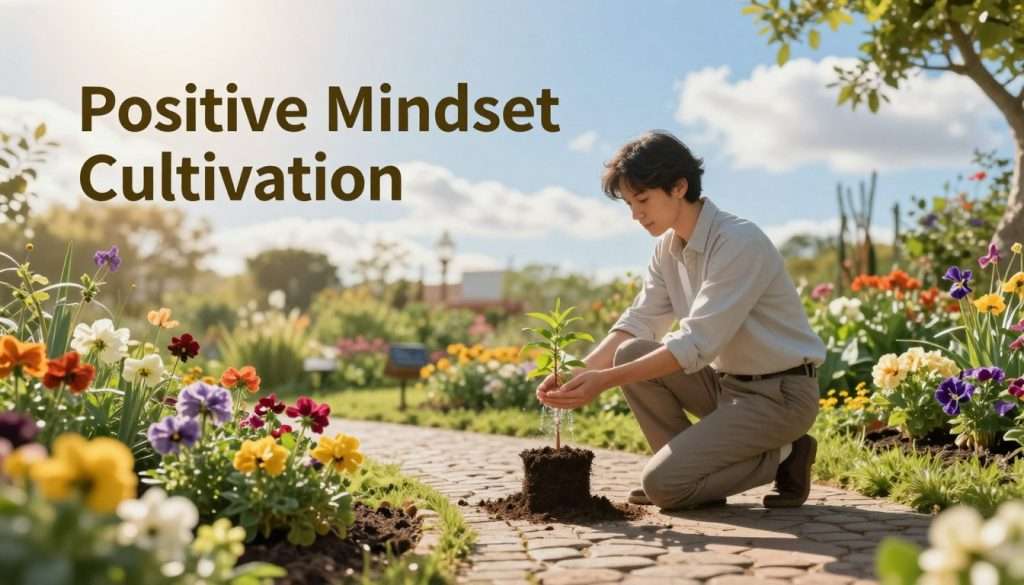
Planting Seeds of Positive Mindset Cultivation
Think of your mind as a blank plot of land. It’s waiting for you to choose the best seeds for a vibrant life. Just like a gardener, you have the power to decide which plants will thrive in your mental space. Positive mindset cultivation is not about ignoring reality, but about choosing where to direct your energy.
Choosing What You Want to Grow
When you start your garden, you likely pick flowers or vegetables that bring you joy. You can apply this same logic to your inner world by selecting specific goals and values. Gratitude is a wonderful seed to plant because it creates a foundation for everything else to bloom.
Try focusing on one specific quality each week, such as patience or curiosity. By intentionally selecting these traits, you ensure that your mental garden reflects your true self. This process helps you establish healthy thought patterns that support your long-term growth.
The Power of Intentional Thinking
Intentional thinking means you stop letting your mind run on autopilot. Instead of reacting to every passing thought, you choose to nurture the ones that serve your well-being. This shift requires practice, but it changes how you experience your daily life.
Daily Affirmations and Visualization
Think of affirmations as the water for your seeds. When you repeat positive statements, you reinforce the neural pathways that support your goals. Visualization acts as the sunlight, helping you see the future you want to create with clarity.
Curating Your Information Diet
What you consume daily—from social media to news—acts as the fertilizer for your mind. If you feed your brain constant negativity, your garden will struggle to grow. Be selective about the content you allow into your space to keep your environment thriving.
| Growth Habit | Action Taken | Expected Result |
|---|---|---|
| Gratitude Journaling | Writing three things daily | Increased happiness |
| Mindful Visualization | Five minutes of focus | Clearer goal setting |
| Information Diet | Limiting toxic news | Reduced mental stress |
Watering Your Thoughts with Mindfulness Practices
Our thoughts are like living things that need care to grow. Just like a garden needs water, our minds need mindfulness practices to stay healthy. Without it, our thoughts can become dry and cluttered.

The Role of Consistency in Mental Care
Consistency is key for a thriving garden, and it’s true for our minds too. You can’t expect a plant to grow without regular water. By showing up for yourself every day, you turn mental self-care into a positive habit.
“The seeds that you water frequently are those that will grow strong.”
Small, daily actions build strength. This helps you handle life’s challenges better. It’s not about being perfect; it’s about showing up every day.
Simple Mindfulness Exercises for Daily Life
You don’t need hours of silence to care for your mind. Simple techniques can fit into your busy day. Here are a few ways to keep your mind fresh:
- Take three deep breaths before checking your email.
- Notice the sensation of your feet on the floor while walking.
- Pause to observe one beautiful thing in your environment.
Breathwork for Grounding
Breathwork is a powerful tool for mental self-care. When feeling overwhelmed, your breath can anchor you in the present. Just inhale for four counts, hold for four, and exhale for four to calm your mind.
The Art of Present-Moment Awareness
Present-moment awareness means noticing the world without judgment. Instead of worrying about the future or past, focus on the texture of your current experience. This simple change helps you care for your thoughts with kindness and clarity.
Protecting Your Mental Garden from External Pests
You wouldn’t let just anyone trample your flower beds, so why let toxic influences roam free in your mind? Even the most vibrant mental garden can suffer when external stressors start to creep in like invasive weeds. Protecting your space is not about being mean; it is about being intentional with your energy.
Managing Stressors and Toxic Influences
Stressors often arrive disguised as urgent demands or negative social interactions. When you feel your peace being drained, it is time to lean into mindfulness practices to regain your center. By observing these stressors without judgment, you can decide which ones deserve your attention and which ones need to be cleared away.
Think of these influences as pests that eat away at your focus. If you ignore them, they multiply and make it harder to grow your own ideas. Using mindfulness practices helps you spot these pests early before they take root in your daily routine.
Building a Fence Around Your Peace
Building a fence is a vital part of mental resilience building. This fence is not a wall to hide behind, but a boundary that keeps your environment healthy. You get to decide who and what enters your garden, ensuring that your time is spent on things that actually matter to you.
Digital Detox Strategies
Our phones are often the biggest source of unwanted weeds. Constant notifications and endless scrolling can clutter your mind faster than you realize. Try setting specific “no-tech” hours to give your brain a chance to rest and recover from the digital noise.
Curating Your Social Environment
The people you surround yourself with act like the climate for your garden. If you are constantly around negativity, your growth will be stunted. Focus on mental resilience building by choosing friends and mentors who encourage your progress and respect your boundaries.
| Influence Type | Impact on Mind | Action to Take |
|---|---|---|
| Toxic Criticism | Drains motivation | Set firm boundaries |
| Constant News | Increases anxiety | Limit daily intake |
| Supportive Peers | Boosts creativity | Invest more time |
| Mindless Scrolling | Reduces focus | Schedule digital breaks |
Seasonal Maintenance for Cognitive Wellness
Your mind is like a garden that needs care all year. Just as the seasons change outside, your mind goes through cycles too. It’s key to adapt to these changes for lasting cognitive wellness techniques.
Reflecting on Your Mental Growth
Looking back at your progress is a powerful act. We often forget to celebrate our growth amidst daily tasks. Growth is rarely a straight line, and seeing the twists helps you value your resilience.
“Change is the only constant in life. One’s ability to adapt to those changes will determine their success and happiness.”
Adapting to Life Transitions
Life is full of changes, like starting a new job or moving. These times can be tough, but they’re chances to grow. By adjusting to the season of your life, you keep your mind healthy.
Pruning Old Habits That No Longer Serve You
Letting go of old habits can help you grow. It’s like pruning to make room for new growth. If a habit no longer brings you joy, it’s time to let it go.
Re-evaluating Your Goals and Priorities
As you grow, your goals should change too. What mattered before might not now. Regularly checking in with yourself helps you stay true to your values.
| Season | Mental Focus | Actionable Step |
|---|---|---|
| Spring | New Beginnings | Set fresh intentions |
| Summer | High Energy | Expand your learning |
| Autumn | Reflection | Review your progress |
| Winter | Restoration | Practice deep self-care |
Using these cognitive wellness techniques helps your mind stay in balance. Remember, positive mindset cultivation is a lifelong journey. Stay curious, stay open, and care for your mind with kindness.
Advanced Techniques for Sustained Growth
Mental mastery is more than just keeping up. It’s about constant growth and evolution. Seeing your mind as a vibrant ecosystem that thrives with care is key. By using cognitive wellness techniques, you can improve your daily life and keep your mind productive.
Cultivating Deep Focus and Flow
To really grow, you need to find your “flow.” This is when you’re so focused on a task that time disappears. To get there, remove distractions and set clear goals for your work or study.
Deep focus is like pruning your mental garden. It’s a key part of mental resilience building. It helps your brain tackle complex tasks with ease.
Integrating Self-Compassion into Your Routine
Growth isn’t always linear, and that’s okay. Treat yourself with kindness, just like you would a friend. Self-compassion is like gentle rain for your mind during tough times.
The Role of Gratitude in Long-Term Health
Gratitude is more than politeness; it’s a health booster. By focusing on what’s good, you shift your brain to abundance. This keeps you positive, even when things are tough.
Seeking Professional Support When Necessary
Even experts sometimes need help. If your mental garden is struggling, seeking professional help is a sign of strength. A therapist can give you the tools to handle tough emotions.
| Practice | Basic Level | Advanced Level |
|---|---|---|
| Focus | Avoiding distractions | Entering deep flow states |
| Self-Care | Rest and nutrition | Deep self-compassion |
| Mindset | Positive thinking | Gratitude-based resilience |
| Support | Self-reflection | Professional guidance |
Conclusion
Treating your mind like a garden is a beautiful journey. It brings you peace and clarity. You have the power to change your mental landscape by removing weeds and planting new seeds.
Growth takes time. Be patient with yourself as your life changes. Your well-being is worth your full attention every day.
We want you to start taking care of your mental garden today. Every small step you take makes a big difference. You are the gardener of your own thoughts.
What small seed will you plant in your mind today? Share your progress with us. Or reach out if you need tips on keeping your mind vibrant. We can’t wait to see your growth.