

Ever look at a huge to-do list and feel stuck? We’ve all been there. You want to tackle tasks, but too many assignments overwhelm you.
It’s time to stop fighting your own mind. We’re introducing the productivity system built for students who hate productivity systems. This method says goodbye to strict schedules that don’t work in real life.
Instead of forcing you into a box, we focus on flexible habits that match your life. By changing how you see things, studying can become a part of your day, not a burden. Let’s make learning feel like a success, not a chore.
Key Takeaways
- Acknowledge that traditional rigid planning often leads to academic paralysis.
- Embrace a flexible, low-pressure mindset to reduce daily stress.
- Transform overwhelming tasks into small, manageable action steps.
- Prioritize consistency over perfection to maintain long-term motivation.
- Discover how to make your study routine feel like a natural habit.
Why Traditional Productivity Systems Fail Students
Ever spent hours organizing your digital planner but still didn’t start your essay? We’ve all been there, looking at a screen full of colors while our homework goes untouched. It’s a strange paradox where tools meant to help us fail us instead.
The Trap of Over-Engineering Your Schedule
Many of us think a perfectly structured schedule is the key to success. We spend hours building elaborate systems and databases. We believe if the system is perfect, the work will magically do itself.
This is just a fancy way of saying we’re procrastinating. By focusing on our study schedule, we avoid the hard work of learning. We value the look of productivity over the actual effort of getting things done.
Why Complex Apps Become Another Source of Procrastination
The app store is full of tools that promise to change your workflow. But these apps often have a steep learning curve that gets in the way. When you spend more time managing tasks than doing them, the app becomes a digital distraction.
You might get stuck by a long list of tasks, unsure where to start because the app is too complex. Instead of making your life easier, these apps add more hassle. They turn simple tasks into daunting projects that need constant updates.
The Psychological Toll of Rigid Planning
Keeping a strict schedule has a hidden cost. When life throws you a curveball—a surprise quiz, illness, or bad day—your plan falls apart. This leads to guilt and shame that makes it hard to get back to work.
Feeling like a failure when you can’t stick to an unrealistic plan is tough. This psychological weight drains our motivation to study. True productivity should support our lives, not make us feel like we’re always behind.
The Philosophy Behind The Productivity System Built for Students Who Hate Productivity Systems
Most students struggle because they try to fit into rigid systems. We think your success shouldn’t be a fight against who you are. By matching your habits to your natural energy, you can stop feeling guilty about studying.
Prioritizing Flow Over Forced Structure
We suggest following your natural flow instead of a strict schedule. Some days you might be sharp for complex math, while others are better for light reading. Working with your energy boosts your productivity.
By not forcing work when you’re not feeling it, you can focus better. This is the heart of the productivity system built for students who hate productivity systems. It makes studying feel more natural and sustainable.
Embracing Imperfection as a Feature
We often think perfect systems require perfect execution. But that’s not true. Your energy changes every day, and that’s okay. Embracing imperfection lets you adapt when life gets tough.
- Accept that some study sessions will be shorter than others.
- View missed deadlines as data points rather than personal failures.
- Focus on progress over the illusion of total control.
The Concept of Low-Friction Organization
Complex systems can hinder consistency. If your organization takes more time than studying, it’s time to simplify. We support low-friction organization that doesn’t get in your way.
Minimal setups save mental energy for starting tasks. This is why the productivity system built for students who hate productivity systems works for busy learners. Here’s how these approaches compare:
| Feature | Rigid Systems | Low-Friction Systems |
|---|---|---|
| Planning Time | High (Hours per week) | Low (Minutes per day) |
| Flexibility | Very Low | High |
| Mental Load | High Stress | Minimal Effort |
| Primary Goal | Strict Compliance | Natural Flow |
Identifying Your Personal Friction Points
You don’t need a complex organization tool for students if you don’t understand your own personal roadblocks first. Before you download another app, let’s turn the lens inward. Examine the hidden friction points that slow down your progress. Think of yourself as a detective investigating your own daily habits to see exactly where you get stuck.
Recognizing When You Are Avoiding Work
We all have those moments where we stare at a textbook and suddenly decide the kitchen floor needs a deep scrub. This is your brain’s way of avoiding the discomfort of a difficult task. When you notice yourself reaching for your phone or tidying your room, pause and acknowledge that you are hitting a friction point.
“The secret of getting ahead is getting started.”
Instead of judging yourself, treat this as data. Ask yourself what feels intimidating about the assignment. Is it the complexity, the length, or just the fear of not getting it right?
The Difference Between Busywork and Productive Study
It is easy to confuse busywork with actual progress. Organizing your digital folders or color-coding your notes feels like you are being productive, but it rarely moves the needle on your grades. True productive study involves the heavy lifting of active recall or solving practice problems.
If you find yourself spending more time setting up your organization tool for students than actually studying, you are likely stuck in a loop of busywork. Shift your focus toward tasks that force your brain to engage with the material. If it feels easy, it is probably just busywork.
Analyzing Your Peak Energy Windows
Your brain is not a machine that runs at the same speed all day. Some of us are morning larks who thrive at dawn, while others find their creative spark late at night. Tracking your energy levels for a few days will reveal your personal peak windows.
Once you identify these times, protect them fiercely. Schedule your most challenging assignments for when your brain is most alert and ready to focus. Save the low-energy tasks, like checking emails or organizing files, for when you feel a bit more sluggish.
The Minimalist Toolkit for Academic Success
You don’t need a lot of apps to succeed in school. In fact, the best students use the least. We believe in a minimalist approach. Your tools should help you, not take up all your time.
A complex system can slow you down. It makes you spend more time on tools than learning. By cutting down on tools, you make room for deep work.
Choosing Analog Tools for Focus
Writing by hand is powerful. Tools like notebooks or planners offer a tactile experience that screens can’t match. They keep you away from distractions.
Writing down tasks engages your brain more than typing. It helps you remember and stay focused. A good notebook is a top student productivity tool for staying focused.
Selecting Digital Tools That Stay Out of Your Way
If you like digital tools, choose ones that are easy to use. You want study efficiency software that handles the basics without being too strict. If an app takes hours to set up, it’s not doing its job.
Look for tools with simple interfaces and quick features. The best apps are those you forget you’re using. They should work with you, not against you.
The Power of a Single Source of Truth
Don’t spread your assignments all over the place. This creates mental clutter and stress. You need one place for everything.
Whether it’s a digital dashboard or a master notebook, having one spot for everything helps. It saves you from forgotten deadlines and keeps your mind clear.
| Tool Type | Primary Benefit | Best For |
|---|---|---|
| Analog Notebook | Zero Distractions | Deep Focus & Planning |
| Minimalist App | Quick Syncing | Task Tracking & Deadlines |
| Central Dashboard | Total Clarity | Managing Overall Workflow |
Implementing the Low-Friction Workflow
Stop drowning in to-do lists with a smarter workflow. By not managing every minute, you make room for deep learning. This makes studying less stressful and more manageable.
Finding the right organization tool for students is about building habits, not just software. We aim to remove unnecessary steps to help you open your textbooks easily. Let’s explore how to make your daily tasks less burdensome.
The Daily Three Method
Stay sane by focusing on just three essential tasks each day. Finishing these tasks means you’ve had a great day.
This method helps avoid feeling overwhelmed. By focusing on a few key tasks, you ensure important work gets done. Remember, quality is more important than quantity in your studies.
Capturing Tasks Without Organizing Them Immediately
Your brain is for thinking, not storing ideas. Write down new tasks in a messy list without organizing them right away.
This clears your mind, allowing you to focus on your work. Sort through your notes later when you have time. Keeping the capture process simple is key to good time management for students.
Batching Similar Academic Tasks
Switching tasks drains your energy. Jumping from essays to math problems is hard on your brain. Group similar tasks to maintain your flow.
- Research phase: Gather all sources at once.
- Drafting phase: Write without checking emails.
- Review phase: Proofread and format in one session.
Batching work reduces mental friction and helps you avoid procrastination. You’ll finish tasks faster and with less stress. This simple change can greatly improve your daily performance.
Managing Energy Instead of Time
Most people think time management for students is about strict schedules. But, they overlook the bigger picture. Even with a perfect plan, it fails when you’re tired or unmotivated.
Instead of fighting your natural energy, focus on it. This approach can change how you study and work.

Matching Study Intensity to Your Current State
Not all study hours are the same. When you’re sharp, tackle tough subjects or complex writing. Save easy tasks for when you’re feeling a bit off.
Matching your workload to your energy levels helps you avoid fighting yourself. You’ll accomplish more in focused hours than in dragging through tasks. Listen to your body and adjust your effort.
The Role of Rest in Academic Performance
Many students see rest as a weakness. But, downtime is key to success. Your brain needs time to process and remember what you’ve learned.
Think of your mind as a muscle that needs rest after hard work. Without breaks, your performance will suffer. Strategic rest keeps your mind sharp.
Avoiding Burnout Through Strategic Breaks
Burnout occurs when you push too hard without rest. To stay focused, include breaks before you feel exhausted. Short breaks are better than one long one at the end.
Take a five-minute break every hour to stretch or get a drink. These small breaks keep you going without exhaustion. Effective time management for students is knowing when to push and when to pause.
Dealing with Procrastination Without Guilt
Procrastination isn’t a sign of weakness. It’s a sign that you need to change your approach. When you feel stuck, it’s because your brain is trying to protect you. By creating a anti-procrastination system, you can overcome these mental blocks without feeling guilty.
Understanding the Root Causes of Avoidance
We often avoid tasks because they seem too big or we fear not doing them perfectly. This fear of not being perfect can make us feel stuck. Recognizing this fear is the first step to taking back your time.
Tasks that don’t seem meaningful or connected to your goals can also make you avoid them. When a task feels like busywork, it’s hard to stay motivated. Knowing what triggers your avoidance helps you change your approach before guilt sets in.
The Five-Minute Rule for Getting Started
The biggest hurdle is starting. Try the Five-Minute Rule to make it easier. Tell yourself you’ll work for just five minutes, and then you can stop.
Usually, once you start, you’ll keep going. This rule is key to our anti-procrastination system. It makes a big task feel small and manageable.
Reframing Deadlines as Opportunities Rather Than Threats
Deadlines can feel overwhelming. But, try to see them as creative constraints that help you focus. When you view deadlines as chances to learn or grow, the stress lessens.
This new way of thinking changes how you see your work. Instead of racing against time, you use it to guide your curiosity. Here’s how to turn common obstacles into opportunities:
| Procrastination Trigger | The Old Mindset | The New Opportunity |
|---|---|---|
| Fear of failure | I must be perfect. | I will learn through iteration. |
| Task overwhelm | I have too much to do. | I will pick one small step. |
| Lack of interest | This is boring work. | How can I make this relevant? |
| Tight deadlines | I am running out of time. | I have a clear finish line. |
Digital Tools That Actually Help
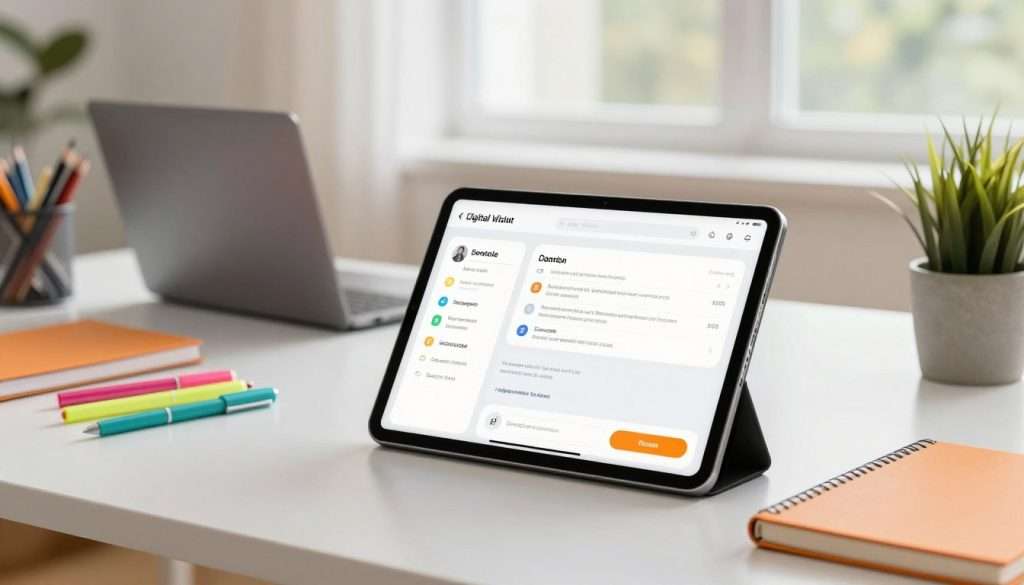
You don’t need a complex dashboard to succeed; you just need tools that work with your brain. Many students get lost in the endless settings of modern apps. But the best student productivity tool is one that stays out of your way. We prefer software that helps you focus rather than distracting you with fancy features.
Using Notion for Simple Knowledge Management
Notion acts as a digital home for your academic life. It’s perfect for keeping track of your syllabus, reading lists, and project deadlines in one clean space. You can build a simple dashboard that gives you a clear view of your week without feeling overwhelmed by clutter.
Leveraging Forest for Focused Study Sessions
If you struggle with phone distractions, Forest is a fantastic study efficiency software option. It turns your focus time into a game where you grow virtual trees while you work. If you leave the app to check social media, your tree withers, which provides a playful nudge to stay on task.
The Benefits of Obsidian for Note-Taking
Obsidian is a powerful tool for students who want to connect ideas across different subjects. It uses a simple text-based format that keeps your notes fast and searchable. Because it stores files locally, you never have to worry about losing your hard work to a server crash.
| Tool | Primary Use | Best Feature |
|---|---|---|
| Notion | Knowledge Management | Flexible Dashboards |
| Forest | Focus Sessions | Gamified Motivation |
| Obsidian | Note-Taking | Linked Thinking |
Ultimately, the right study efficiency software should feel like a natural extension of your workflow. Whether you use these specific apps or others, remember that the goal is to reduce friction. Keep your digital setup simple so you can spend more time learning and less time managing your tools.
Maintaining Consistency Without Rigid Schedules
You might think you need a strict schedule to study well. But, that’s not true. True consistency comes from working with your natural rhythms, not against them. By creating a flexible anti-procrastination system, you can stay on track without feeling trapped by your calendar.
Building Habits That Stick Naturally
The secret to lasting habits is starting small. Instead of studying for four hours, try just ten minutes of focused work. This approach helps you build momentum without feeling overwhelmed.
- Focus on micro-wins to build confidence.
- Link new study habits to existing daily routines.
- Keep your environment simple to reduce mental clutter.
The Importance of Weekly Reviews
A weekly review lets you see the big picture without daily pressure. It’s your chance to check what worked and what didn’t. Think of it as the maintenance phase of your anti-procrastination system, where you clear out mental clutter.
Keep your review session short and sweet. Ask yourself these three simple questions:
- What was my biggest win this week?
- Where did I get stuck or distracted?
- What is the one thing I want to improve next week?
Adjusting Your System When Life Gets Chaotic
Life can throw curveballs when you least expect them. When things get messy, don’t scrap your entire plan or give up on your anti-procrastination system. Instead, treat your schedule like a living document that is meant to be edited.
If you have a tough week, give yourself permission to scale back. Focus on your most essential tasks and let the rest slide until things settle down. Remember, the goal is progress, not perfection. Being kind to yourself is the best way to keep moving forward.
Conclusion
The best productivity system is one you enjoy every day. You don’t need a complex digital setup to do well in school.
Focus on flow, energy, and simplicity to make studying enjoyable. You’ll see progress once you align with your natural rhythm.
Remember, you’re a student first, not a productivity expert. Be gentle with yourself as you find what works for you.
Try these small changes this week and see how your studies improve. Share your favorite simple habits with others.
Keep your tools simple and your goals clear. You have everything needed to manage your work without losing your mind.